

Makeup artist brands have become the driving force behind many of today’s most coveted makeup launches, setting a new standard for product quality, innovation, and authenticity. Whether you’re a professional MUA or a beauty enthusiast, understanding how expert-led brands differ from traditional consumer labels can give you an edge in choosing the right tools for flawless results.
Key Takeaways
- Global beauty revenue hit $646.2 billion in 2024, with artist-backed brands like Rare Beauty, Fenty, and Charlotte Tilbury leading in influence.
- Direct, unbiased comparisons of MUA lines versus traditional brands are rare; ingredient transparency and performance data still lag.
- Switching to makeup artist brands demands careful research, as launch info, satisfaction rates, and formulation details are often missing or limited.
- What Makes Makeup Artist Brands Unique?
- How to Choose and Use Makeup Artist Brands: A Practical Guide
- Market Realities, Product Limitations, and Common Pitfalls
- Conclusion
- FAQ
What Makes Makeup Artist Brands Unique?
Makeup artist brands—created or guided by professional MUAs—aim to fill gaps mainstream beauty often misses. Unlike mass-market makeup houses, these lines promise expert-worthy formulas, nuanced shade ranges, and packaging built for performance and artistry.
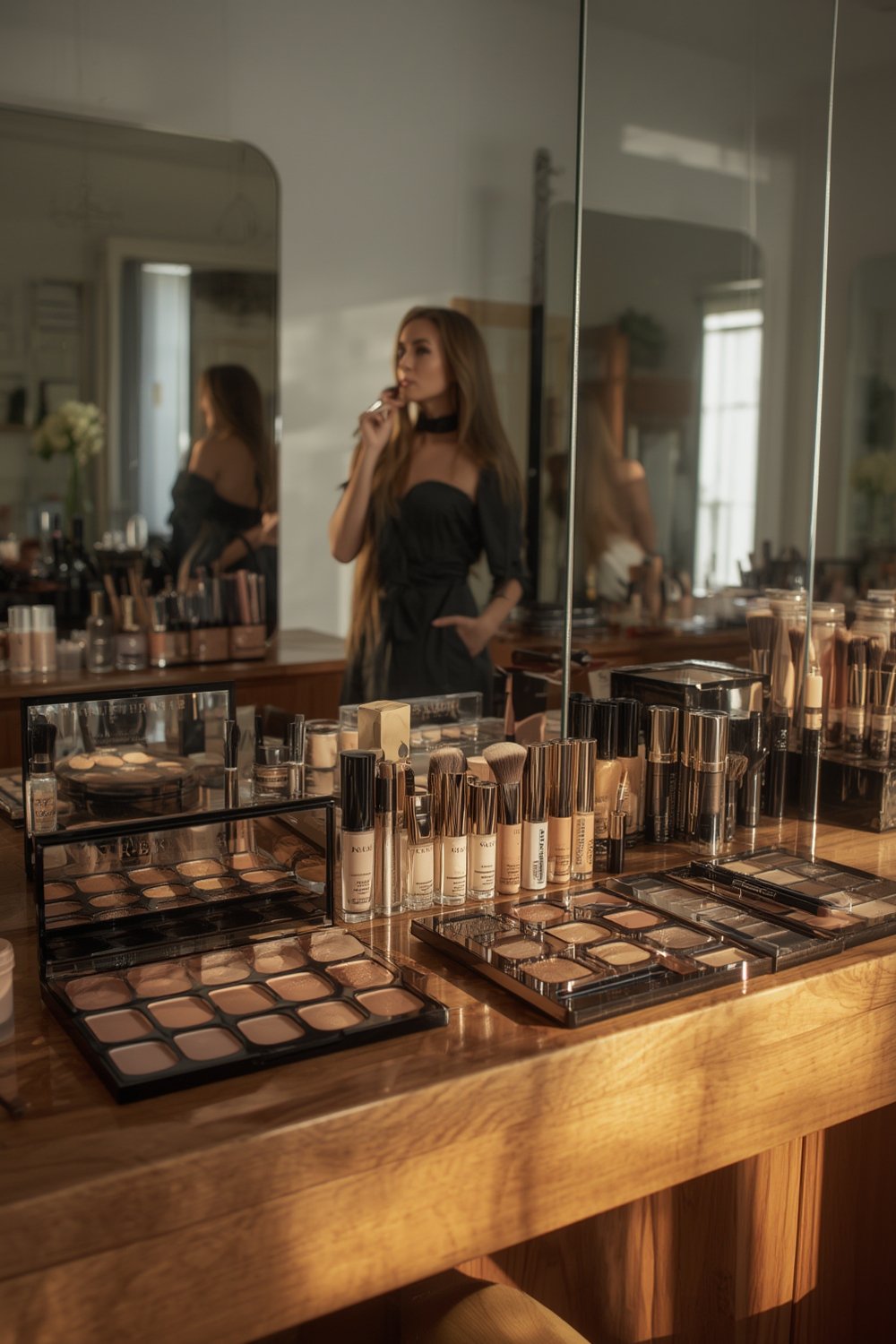
In 2024, L’Oréal led the global beauty industry with a $13.4 billion brand value, yet public attention has shifted toward niche brands shaped by renowned artists like Katie Jane Hughes, Mary Phillips, and Hung Vanngo. Meanwhile, Fenty Beauty, Charlotte Tilbury, Dior Beauty, and Rare Beauty—founded or helmed by celebrities or pro MUAs—have gained massive traction. Rare Beauty, for example, dominated makeup/cosmetics in 2024 with an 825k Traackr VIT score (source).
Why the rising demand? Consumers see artist-led brands as credible, solution-focused, and driven by real-world pro experience rather than marketing hype. These lines tend to offer advanced formulas—sometimes developed in partnership with scientists—and editorial-inspired palettes not found elsewhere. The downside: scarcity of open ingredient testing, inconsistent launch info, and hurdles in finding unbiased product comparisons.
Looking for other clinical-meets-creative beauty trends? Check out our guide on PDRN skincare and how professional results are coming home.
How to Choose and Use Makeup Artist Brands: A Practical Guide
Ready to switch or upgrade your kit to makeup artist brands? Follow these evidence-informed, actionable steps—even if specific ingredient analyses or customer satisfaction data aren’t widely available.
- Audit Your Routine: Identify which products (foundation, eyeliner, highlighter) perform worst for you—these are prime candidates to replace with expert-led alternatives.
- Research Brand Philosophy: Instead of relying on influencer hype, analyze the background of the makeup artist, the intended artistry (editorial, red carpet, everyday), and commitment to ingredient ethics (e.g., vegan, cruelty-free, fragrance-free).
- Compare Across Categories: Use real sales and price data for perspective. For example, Amazon’s 2024 leader Julep Eyeshadow 101 (~$17.08) outsold Boomstick Golden Peach Multistick (~$26.71). See the latest sales statistics here.
- Test for Performance: Since independent lab data is rare, rely on real-user swatches, third-party tutorials, and “in the wild” photos rather than filtered campaign shots.
- Pace Your Transition: Avoid switching your whole routine at once. Instead, slowly rotate in artist-brand staples so you can spot product incompatibilities early.
- Cross-reference With Trends: Track innovation at the intersection of professional and at-home care—like the rise of at-home medspa devices and regenerative skincare—for new launches or formulas that bridge artistry and science.
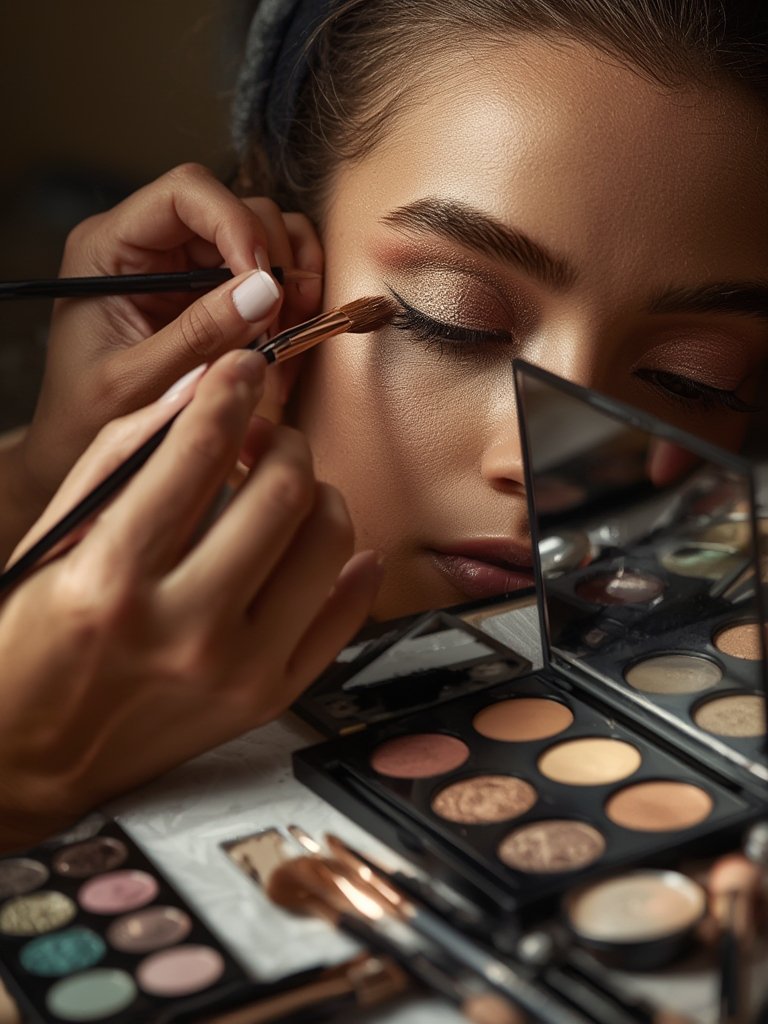
As a bonus, consider products that go beyond surface radiance—like DNA-repairing PDRN serums—which can complement long-wear makeup with deep skin resilience.
Market Realities, Product Limitations, and Common Pitfalls
While the allure of makeup artist brands is strong, several real-world problems can impact your results or ROI:
- Lack of Transparent Comparisons: Few independent lab tests or ingredient reviews exist for professional MUA products versus mainstream competitors. It’s difficult to prove superiority strictly from marketing.
- Missing Launch and Pricing Data: For new artist-driven brands, you may struggle to find up-to-date launch dates or reliable price comparisons. Most available pricing is on adjacent or mainstream brands (see market context here).
- No Verified Satisfaction Rates: There are no published loyalty metrics or customer satisfaction studies specific to expert-led collections. Customer experience can be highly subjective.
- Regulatory and Sourcing Hurdles: Details about how makeup artists develop new products—such as unique manufacturing practices or regulatory approvals—are seldom public.
- Overlooked Informational Gaps: High-ranking beauty articles frequently miss practical advice on ingredient cross-reactivity, sustainability of celebrity-backed launches, and real-world pro use cases.
| Brand | Sales Figures (Units, 2024) | Price Point (USD) | Lab/Consumer Data? |
|---|---|---|---|
| Julep Eyeshadow 101 | 124,930 | $17.08 | No |
| Revlon Liquid Foundation | 15,639 | $10.23 | No |
| Boomstick Golden Peach Multistick | 6,870 | $26.71 | No |
Want to avoid skin irritation or product clashes as you experiment? Consider layering innovations from our fragrance layering guide or support your skin with longevity-focused barrier care.
Conclusion
Makeup artist brands can push your artistry, but their true advantages often exist behind the scenes. Sales leadership and strong influencer scores (like Rare Beauty’s 825k Traackr VIT) highlight enormous influence, yet objective, ingredient-level data and consistent satisfaction rates remain elusive. If you’re investing in the makeup artist brands trend, commit to patient experimentation and demand transparency.
Looking to future-proof your beauty routine? Explore more authoritative guides, or discover how AI is changing personalized skincare. Try a pro brand, share your experience, and stay curious.
FAQ
Are makeup artist brands better than mainstream brands?
There’s no universal answer—many makeup artist brands offer expert-driven shades and innovation, but lack unbiased lab or consumer data. Best practice: audit your needs and test before investing in a full routine change.
Why do makeup artist brands cost more?
Artist brands may charge more for custom packaging, niche shade ranges, or smaller batch production. Some also invest in unique formulas or ethical sourcing, but transparent breakdowns are rarely published.
How do I know if a makeup artist brand will suit my skin?
Always patch test on non-facial skin first. Seek out third-party swatches, unbiased reviews, and ingredient lists. Some pro-level products may be less forgiving for sensitive or tricky skin types—so introduce one new product at a time.
Do artist brands have more inclusive shade ranges?
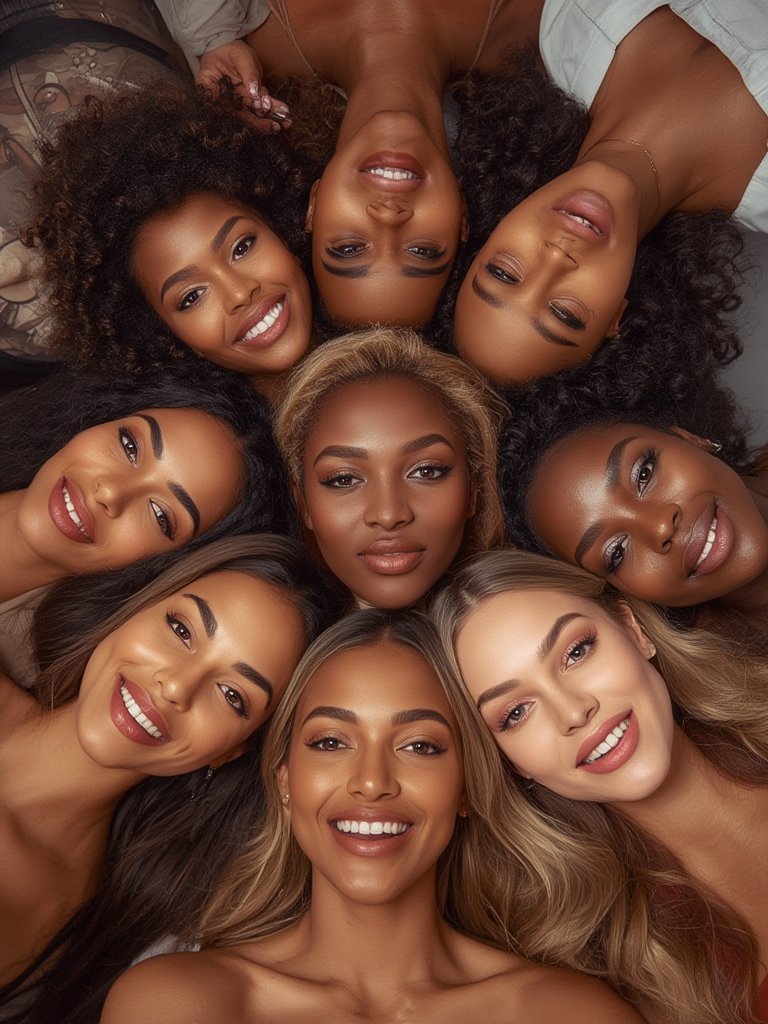
Many expert-led brands—like Fenty and Rare Beauty—actively expand their shade coverage, but this is not universal. Always check the company’s site for specifics on undertone and inclusive shade ranges.
Can I use artist brands with other skincare trends?
Yes. Progressive routines often integrate clinical-grade skincare, such as PDRN serum or vegan DNA repair formulas, to optimize long-wear or performance makeup results.