

### Blog Post:
AI personalized skincare is transforming how we address individual skin needs, offering precise recommendations and treatments tailored by advanced algorithms. In 2024, this technology is reshaping beauty routines, fueling record market growth, and raising new questions about accuracy, privacy, and inclusivity. If you want a smarter way to care for your skin, understanding these trends and pitfalls is now essential.
Key Takeaways
- AI personalized skincare markets are booming, predicted to surpass $63 billion by 2034, with North America and Asia-Pacific leading innovation and adoption.
- Despite its promise, there is limited data on AI accuracy, user complaints, or cost comparisons versus traditional skincare.
- Privacy, bias, and data security remain underexplained challenges—ensure you choose platforms that prioritize user protection and transparency.
- What Is AI Personalized Skincare?
- How to Start with AI Personalized Skincare: A Step-by-Step Guide
- Advanced Analysis & Common Pitfalls
- Conclusion
- Frequently Asked Questions
What Is AI Personalized Skincare?
AI personalized skincare uses artificial intelligence and machine learning to analyze your unique skin data—such as photos, surveys, and sometimes biometric sensors—to create customized product recommendations or formulas. Traditional skincare relied on broad categories like “oily” or “dry” skin, but AI can identify subtle variations, risk factors, and trends in real time. This emerging field aims for efficiency, targeting concerns faster and with less trial-and-error. It also supports more informed, science-forward routines driven by data, not guesswork or marketing.
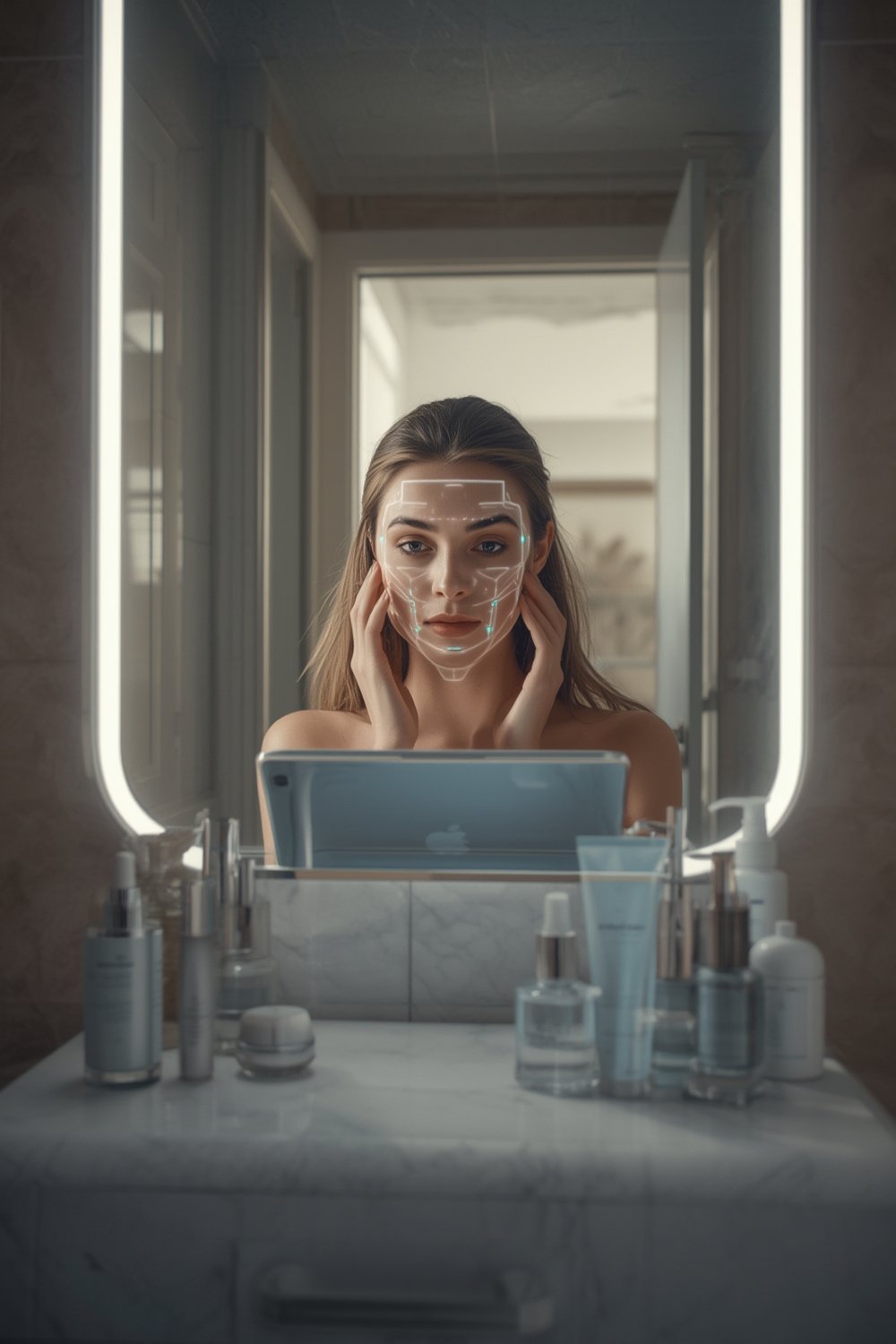
The global AI in skincare market stood at $1.19 billion in 2024 and may exceed $4.28 billion by 2035, expanding at a CAGR above 12%. For the wider personalized skincare segment, the market could reach $63.7 billion by 2034. North America currently leads due to high demand and tech adoption, but Asia-Pacific is growing fastest—fueled by new AI-powered apps, rising consumer spending, and the influence of K-beauty.
Major breakthroughs in 2024 include L’Oréal’s integration of generative AI and enhanced skin models for better product development as well as the launch of innovative diagnostic apps, like Kaya Clinic’s new offering in India.
Brands and platforms now use computer vision, deep learning, and sometimes even DNA analysis (more on that later), with many aiming to deliver results previously only possible through professional medspa consultations.
How to Start with AI Personalized Skincare: A Step-by-Step Guide
Ready to try AI personalized skincare? Here’s a practical roadmap, from first scan to ongoing results:
-
Research and choose a reputable platform.
- Look for brands with transparent privacy policies and clear review histories.
- Favor those collaborating with dermatologists or based on published clinical validation (if available).
- Compare AI-only tools to hybrid options that offer access to human consultants—especially if you have sensitive, diverse, or complex skin needs.
-
Submit your skin data.
- Most apps request photos in natural light. Some require additional surveys, health info, or integration with smart skin analysis devices.
- If you use at-home medspa devices, such as luxury LED face masks or smart trackers, use them as part of your diagnostic workflow—they may sync directly with certain AI platforms.
-
Review your personalized recommendations.
- Algorithms typically suggest a routine or products. Scrutinize the rationale and ingredients—especially if you have regenerative goals (like PDRN or exosome serums) or are considering actives like retinol or acids.
- Double-check inclusivity if you have a deeper skin tone or tend to react to new formulas.
-
Purchase and implement your custom products.
- Order directly or via affiliate retailers. Track your skin’s progress with regular skin selfies check-ins.
- Keep your previous routine for at least two weeks in parallel to compare results versus traditional products.
-
Schedule reassessment every 4-6 weeks.
- Continuous data input enables ongoing optimization—AI learns from your response to each ingredient or treatment.
- If available, request periodic human expert check-ins for an extra layer of review.
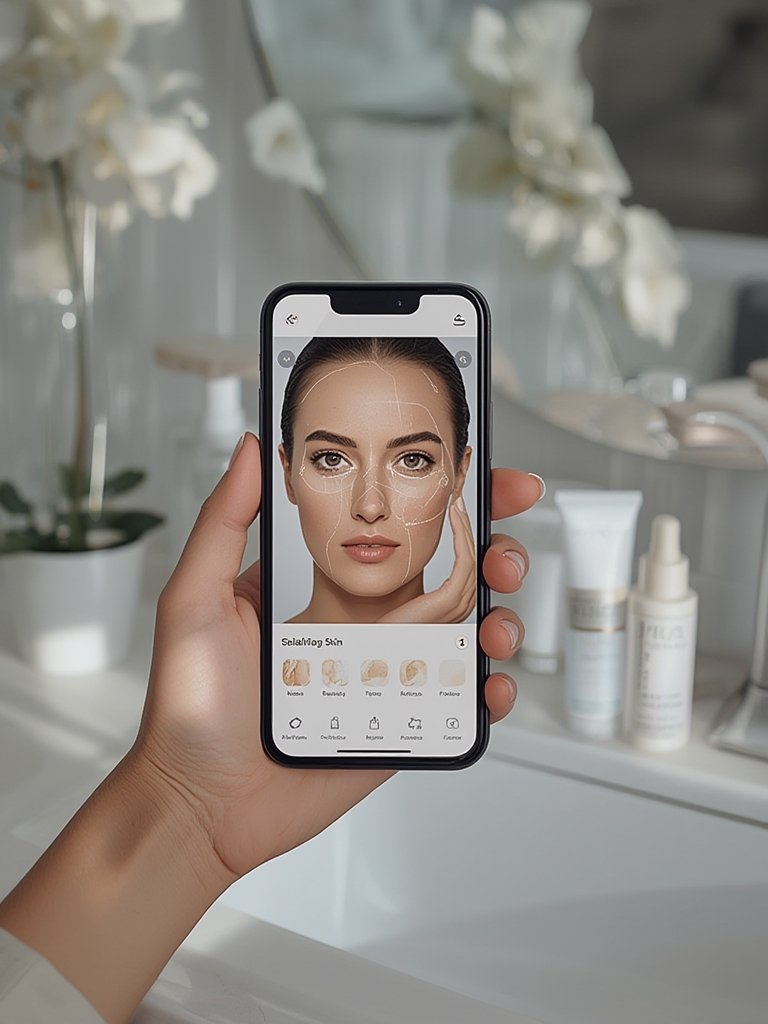
Curious about hybrid and non-invasive tools? Combining AI-powered analysis with emerging alternatives—like filler-in-a-stick balms or longevity-focused peptide serums—bridges the gap between professional medspa results and at-home convenience.
Advanced Analysis & Common Pitfalls
While AI personalized skincare promises game-changing results, several real-world issues and gaps remain:
- Lack of published accuracy data: As of 2024, there are no widely reported clinical studies or dermatologist-verified trials confirming how much better AI beauty recommendations perform over standard regimens (source).
- Data privacy uncertainty: Many AI skin analysis apps do not publish comprehensive privacy or security policies. Your photos and biometric info may be vulnerable if platforms are breached or data is sold to third parties.
- Bias and inclusivity gaps: Top competitor platforms rarely highlight how their algorithms evaluate diverse skin tones, conditions such as melasma, or scars. This can lead to misdiagnosis or exclusion—especially for users outside the majority skin phenotype in a developer’s dataset.
- Unclear pricing vs. traditional skincare: There’s limited research comparing costs between AI-driven custom skincare and conventional routines, making ROI tough to judge for most consumers.
- User complaints are underreported: No official sources summarize negative reviews relating to accuracy, privacy, or long-term effectiveness, so expectations should be realistic.
| AI Personalized Skincare | Traditional Skincare |
|---|---|
| Tailored formulas and routines based on user data; updated as your skin changes | Pre-set products designed for broad skin types; static unless you switch brands frequently |
| Requires sharing personal data/photos; privacy varies by provider | Low risk to personal data; no biometric data collected |
| Potential higher upfront or ongoing cost (unknown average) | Generally lower, well-known price points with more generic results |
| Possible bias if data lacks representation for your skin tone or needs | May not address highly specific issues but little risk of algorithmic bias |
For those intrigued by cutting-edge methods, exploring DNA-level cellular regeneration with PDRN ampoules or supplements from the scalp wellness movement can offer complementary routines as AI methodology matures.
Conclusion
AI personalized skincare offers unparalleled potential to decode and address your unique skin needs—when applied thoughtfully and with awareness. While market growth is meteoric and new technologies are arriving fast, real-world data on accuracy, inclusivity, and privacy remains sparse. Move forward with a healthy balance of optimism and caution, always cross-checking AI advice against real-life experience and expert input. If you’re ready to join the next generation of beauty, now is the time to try AI personalized skincare with a critical, data-aware mindset.
Curious to experiment? Take your first AI skin assessment and compare the results to your current routine. Share your experiences, and let’s help shape the future of truly personalized beauty together.
Frequently Asked Questions
Is AI personalized skincare more effective than using traditional products?
There’s no published clinical evidence yet proving AI recommendations work better than traditional routines for everyone. Early adopters report higher satisfaction, but results depend on algorithm quality, ingredient efficacy, and how consistently you follow the plan.
Is my personal data safe with AI skincare apps?
Privacy policies vary: some companies are transparent and secure, while others lack clear safeguards. Always check how your photos and biometric data are stored, read privacy terms, and avoid sharing information you are uncomfortable with.
Will AI skin analysis work for all skin tones and types?
The best platforms strive for inclusivity, but many algorithms are trained on limited data sets. Users with deeper skin tones, acne, melasma, or unique concerns should double-check app FAQs and consider expert input alongside digital advice.
How much does AI personalized skincare really cost?
There is little public data on average costs for AI-powered consultations or custom products. Expect to pay a premium over drugstore options, though prices can sometimes rival midrange professional skincare if you skip in-person visits.
Can I combine AI recommendations with professional treatments or trending skincare like PDRN?
Absolutely. Many users integrate medspa-grade routines, PDRN serums, or advanced at-home devices for best results. Consult a dermatologist before major changes—especially if using AI and professional protocols together.