

### Blog Post:
Yuzu fragrance 2026 is drawing attention from both the global perfume industry and beauty consumers looking for fresh, modern citrus scents rooted in Japanese minimalism. As luxury brands eye Asia-Pacific markets and niche citrus-driven profiles, is yuzu ready to claim its spot in the evolving fragrance wave—or is the reality more complicated?
Key Takeaways
- The global fragrance market will hit USD 56.1–88.7 billion in 2026, yet data on yuzu fragrances remains fragmented and speculative.
- yuzu essential oil is projected for strong growth but specific product longevity or authenticity issues are still not widely discussed by brands or users.
- Niche Japanese citrus perfumes remain under the radar compared to Western launches, with light, minimalist compositions leading the trend.
- The Core Concept: Yuzu Fragrance 2026 and Why It Matters
- Step-by-Step Guide: How to Choose and Use Yuzu Fragrance in 2026
- Advanced Analysis & Common Pitfalls
- Conclusion
- FAQ
The Core Concept: Yuzu Fragrance 2026 and Why It Matters
Yuzu, a vibrant Japanese citrus, is emerging as one of the most talked about notes in fragrance for 2026. The shift toward minimalist, fresh scents is accelerating, fueled by the growing influence of Asia-Pacific consumers and a global appetite for lighter, optimistic scents. While the fragrance industry is projected to reach upwards of USD 88.7 billion in 2026 with CAGRs of 5.4 to 7.8 percent, specific market data about yuzu fragrances is limited. Most reports, including Future Market Insights, instead highlight the broader trend: citrus fragrances and essential oils—especially yuzu—are forecasted for elevated growth, with yuzu essential oil showing an 8.9 percent CAGR between 2026 and 2033.
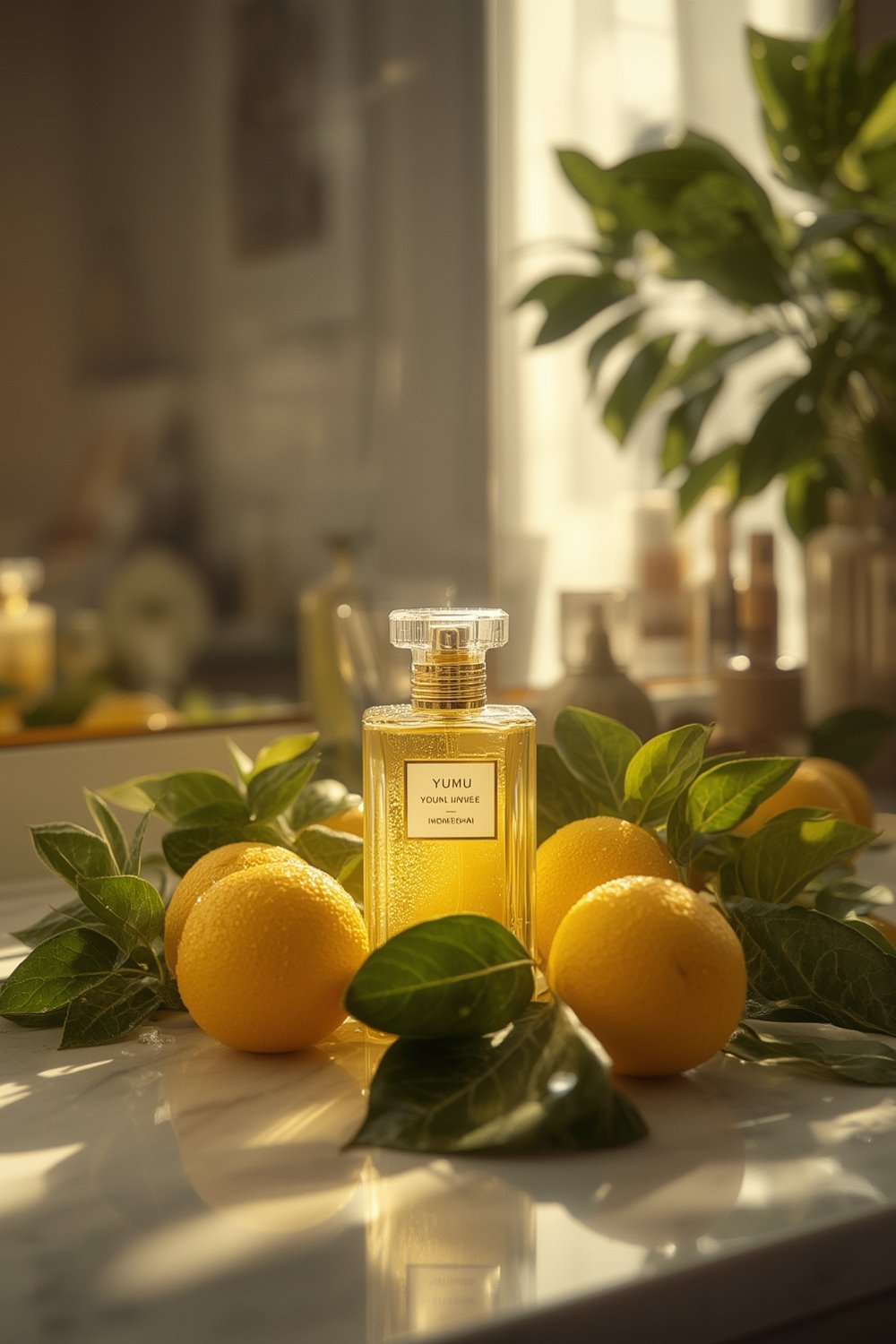
So why does yuzu stand out? Its aroma sits between grapefruit, mandarin, and lime but with a uniquely tart brightness—making it popular for both those tired of Western-style colognes and new luxury consumers open to Japanese wellness philosophies. As market interest grows, especially with major investments in local Asian brands, yuzu’s place in seasonal, genderless, and optimism-focused launches remains a strategic bet for niche and global fragrance houses.
Step-by-Step Guide: How to Choose and Use Yuzu Fragrance in 2026
- Research the composition. True yuzu fragrances highlight the tart, green facets of natural yuzu oil. Scan ingredient lists for synthetic substitutes or diluted blends common in lower-priced options.
- Test before committing. Purchase sample vials or decants to check wear time on your skin, as citrus scents are known for quick evaporation and lighter projection.
- Layer for longevity. Use unscented moisturizers or oil-based primers to help volatile yuzu molecules linger longer. Pair with neutral lotions instead of additional citrus to avoid clashing odors.
- Check brand authenticity. Many brands do not disclose yuzu sourcing or authenticity. Look for brands that specify Japanese origin and outline sustainable harvesting practices.
- Watch emerging niche Asian labels. Regional brands in Japan, Korea, and China may launch yuzu-focused perfumes with unique twists—often incorporating minimalist designs and lighter scent concentrations.

For those exploring the intersection of personal care and Japanese beauty, yuzu scents are often paired with other trending wellness concepts—like polydeoxyribonucleotide serum in regenerative skincare, or skin barrier treatments increasingly favored alongside minimalist perfumes. By keeping products simple and ingredients authentic, you’ll maximize both the olfactive and wellness experience.
Advanced Analysis & Common Pitfalls
While yuzu fragrance 2026 sounds appealing in concept, users face real-world challenges when seeking high-performance, authentic citrus perfumes. The key issues stem from limited transparency, quick-fading compositions, and sparse technical or user-reviewed data.
- Longevity and Projection: Most yuzu and Asian citrus scents feature very light concentrations, making them fade faster than typical Western citrus perfumes. Users may feel disappointed if expecting the same performance as more oil-rich, traditional colognes from Europe or the Middle East. See our detailed Middle Eastern fragrance guide for contrasts in longevity and sillage.
- Brand Transparency: Major brands rarely disclose full ingredient specs or sourcing. Niche Asian labels may offer authentic yuzu but are often hard to purchase internationally, and many global brands use synthetic substitutes or blends with undisclosed additives.
- Minimal User Reviews: Unlike other trending fragrance ingredients, there is little consensus online regarding yuzu fragrance satisfaction, particularly on longevity, projection, or perceived authenticity. This creates decision fatigue for buyers and raises the risk of purchasing underwhelming products.
- Incomplete Technical Data: There are no widely available technical breakdowns of yuzu extraction (cold-pressed versus solvent), nor side-by-side comparisons against other Japanese or Western citrus perfumes. Prospective buyers must depend on basic marketing language or sparse ingredient disclosures.
| Aspect | Yuzu Fragrance 2026 | Western Citrus Perfume | Middle Eastern Citrus Perfume |
|---|---|---|---|
| Main Citrus Note | Yuzu (tart, green, floral undertone) | Bergamot, Orange, Lemon | Lime, Neroli, Bitter Orange |
| Concentration | Usually EDT (4-12%) or lighter | EDT & EDP (8-20%) | Often EDP/Extrait (15-30%) |
| Extraction Method | Not often disclosed; most brands use blends of essence and synthetics | Usually cold-pressed or solvent extraction | Varies; often resin-infused citrus blends |
| Longevity | Short (1-3 hours typical) | Medium (2-6 hours) | Long (4-10 hours+) |
For further reading on advanced anti-aging and longevity trends in Japanese and K-beauty, see our guides to PDRN skincare and skin longevity products. Those seeking a professional edge at home may also like our overview of at-home medspa devices.

Conclusion
Yuzu fragrance 2026 is positioned as a symbol of optimism, lightness, and Japanese-inspired simplicity, but picking the right product still demands research and realism. While growth in yuzu essential oil is strong, issues like quick scent dissipation, lack of clear data, and minimal transparency from brands remain persistent. If you want the most rewarding experience with yuzu fragrance 2026, sample first, favor authentic Japanese sources, and keep expectations grounded.
Ready to explore more about emerging skincare and fragrance trends? Start with our complete guides to regenerative K-beauty serums and botox alternatives for skin health.
FAQ
Is yuzu fragrance suitable for men and women?
Yes. Yuzu fragrance is typically unisex, fitting the minimalist and fresh approach favored in Japanese perfumery. The tart citrus note does not lean overly masculine or feminine.
How long does yuzu fragrance usually last on skin?
Most yuzu and light Japanese citrus perfumes last 1 to 3 hours. These are often Eau de Toilette or lighter concentrations. Layering over moisturizer can help extend longevity.
Are there any known skin sensitivities with yuzu fragrances?
Like other citrus oils, yuzu may cause irritation if you have sensitive skin. Always patch test and avoid application to broken or inflamed areas.
Why are yuzu fragrances hard to find outside Asia?
Most authentic yuzu perfumes are produced by niche Japanese or regional Asian brands. Limited international distribution and lower Western awareness keep product selection sparse outside Asia.
Is there scientific evidence showing mood-boosting effects from yuzu fragrance?
No conclusive studies or peer-reviewed evidence exist as of 2026 about mood benefits from yuzu or Asian citrus scents. Any claims remain anecdotal.
—