

### Blog Post:
red light therapy mask technologies are surging in home skincare, promising smoother skin, boosted collagen, and visible rejuvenation without clinic visits or needles. But how well do these masks actually work, what sets professional devices apart, and what should realistic users expect from consistent use?
Key Takeaways
- At-home red light therapy masks deliver modest but measurable results on skin texture and collagen with diligent, sustained use.
- Device specs—such as LED count, wavelengths, and FDA clearance—directly impact efficacy and safety. Most modest results require 3-5 sessions per week for multiple weeks.
- Maintenance is essential; improvements fade without consistency, and most at-home results are gradual compared to clinical treatments.
- What Is Red Light Therapy and Why Use a Mask at Home?
- How to Use a Red Light Therapy Mask Effectively—Step by Step
- Advanced Insights: Specs, Pitfalls, and Real-World Results
- Conclusion
- FAQs
What Is Red Light Therapy and Why Use a Mask at Home?
Red light therapy masks use arrays of LEDs emitting specific wavelengths (typically 630-700 nm red and 830-850 nm near-infrared) to target the skin. The purpose is to stimulate fibroblasts, encouraging collagen and elastin production, while reducing inflammation—ultimately aiming for visible improvements in skin texture, firmness, and fine lines. At-home masks make this accessible, albeit more gradually than what’s possible in a clinic or medspa setting.
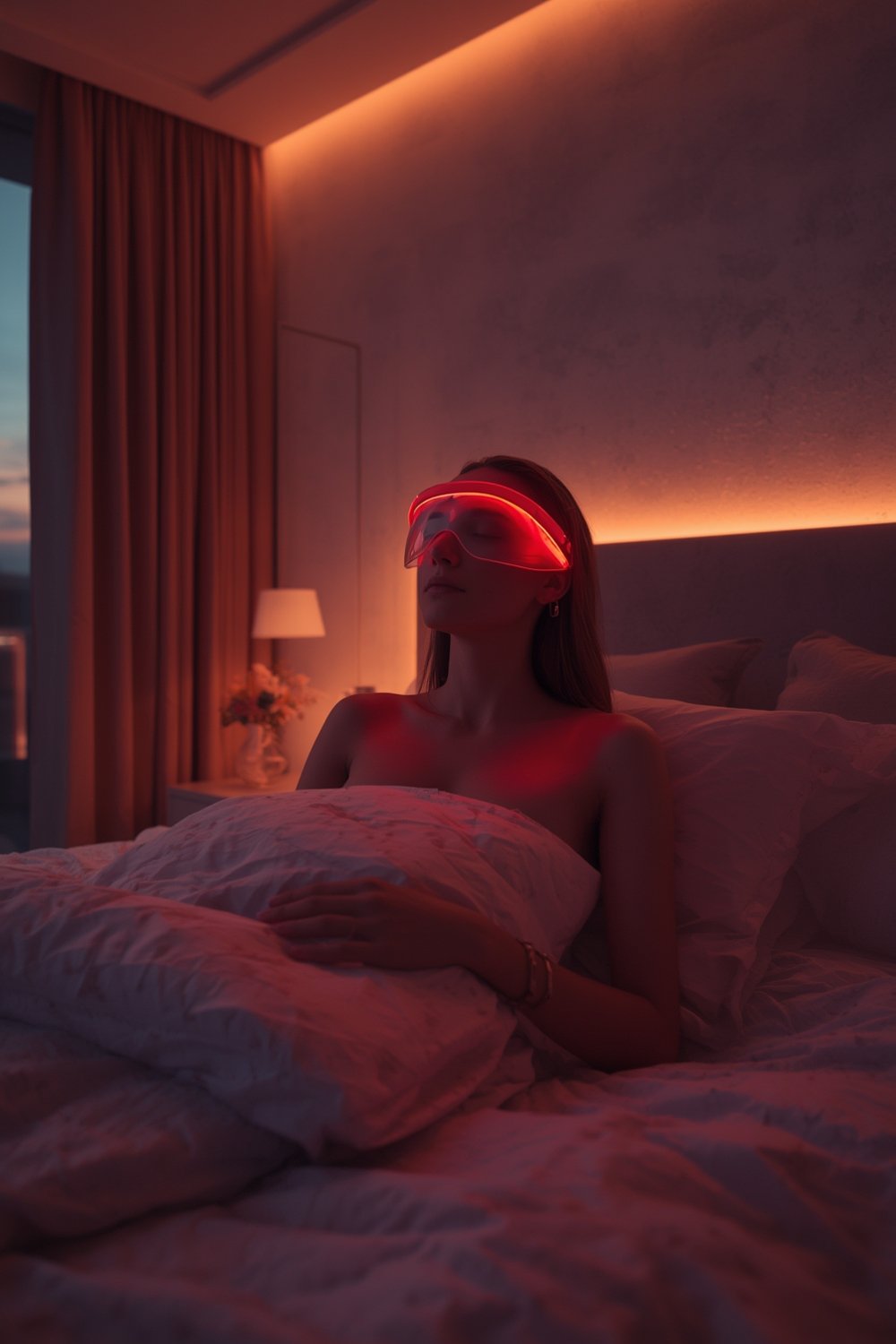
Clinical studies in 2023–2024 verified that consistent at-home use yields statistically significant but gradual improvements in collagen density and fine lines. Unlike professional lasers or high-power LED units, these results rely on discipline and patience, but represent a science-backed, needle-free alternative. For those wary of injections or downtime, red light therapy masks bring medspa-style treatment into the daily skincare routine.
For readers interested in complementary science-backed anti-aging options, learn about plant exosome skincare and PDRN regenerative serum, two fast-rising trends enabling professional-style results at home.
How to Use a Red Light Therapy Mask Effectively—Step by Step
- Choose a Mask with Proven Specs: Look for clear documentation of precise wavelengths (e.g., 633 nm red and 830 nm near-infrared), high LED count (often 200+ for full-face coverage), and FDA clearance. Avoid models that simply state “LED” or “red light” without details.
- Prep Your Skin: Cleanse thoroughly. Avoid heavy creams or photosensitizing ingredients before using the mask to maximize light absorption.
- Apply the Mask Correctly: Follow manufacturer placement instructions for optimal fit and proximity. Start at recommended session lengths (usually 10–20 minutes).
- Session Frequency: Plan 3–5 sessions per week, consistently, for at least 6–12 weeks. Don’t expect overnight changes; collagen remodeling is a gradual biological process.
- Combine With a Barrier Repair Routine: Red light therapy can be even more beneficial alongside hydrating and regenerative topical products. Consider a PDRN ampoule or a longevity-focused serum for synergistic results.
- Track Your Progress: Take close-up photos in the same lighting every 2–4 weeks to objectively track improvements in texture, tone, and firmness.
- Commit to Maintenance: After visible results, reduce frequency to 1–2 times weekly to maintain changes—consistent touch-ups are required, or gains will reverse.
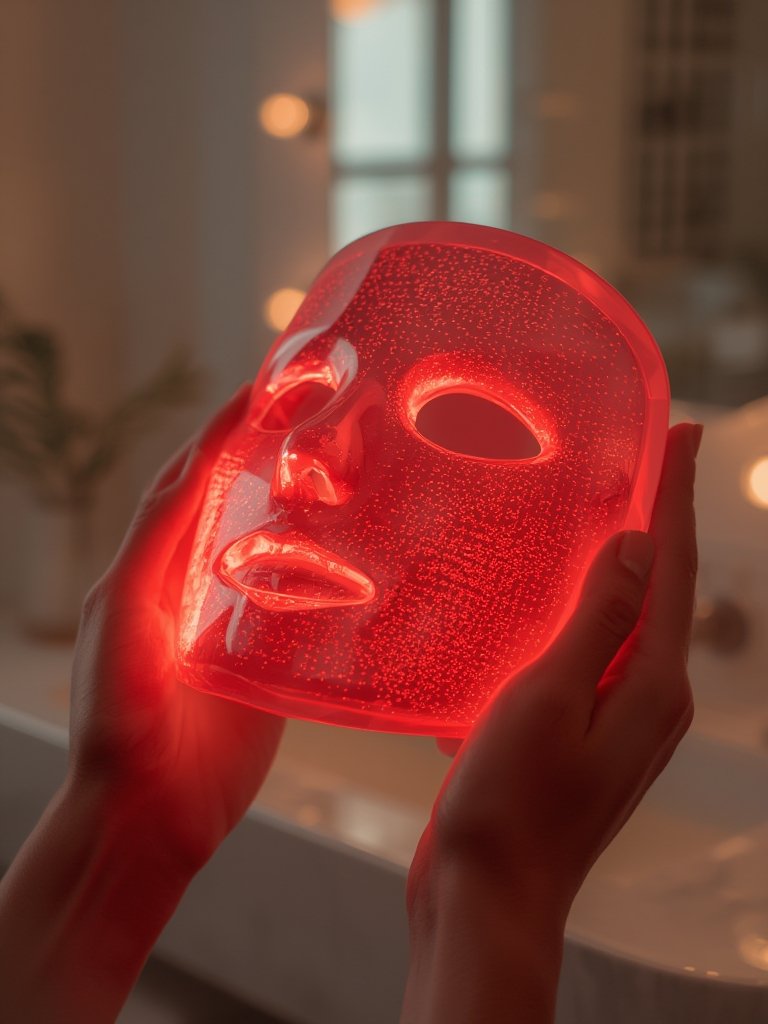
Recommended Routine Example
- Monday, Wednesday, Friday: 20-minute session immediately after cleansing.
- Track progress: Quick self-photo under consistent lighting each week to verify steady improvement, not just perception.
- Pair treatments: For amplified plumping, layer post-session with a calcium multi balm or a gentle at-home medspa device approved for used after LED.
Advanced Insights: Specs, Pitfalls, and Real-World Results
Realistic expectations are key to getting the most out of a red light therapy mask. Here’s what clinical trials and user reviews highlight—and where misunderstandings commonly occur.
Specs Matter: What Separates Entry Level from Luxury Masks
| Feature | Entry-Level Mask | Luxury/Professional Mask |
|---|---|---|
| Wavelengths Used | Vague/”Red LED” only | Precise (e.g., 633 nm red + 830 nm NIR) |
| LED Count | ~20-60 | 200-360+ |
| Power Output | Often unlisted; usually low | Specified (e.g., 0.5 mW/cm²+ |
| FDA Clearance | Rare | FDA clearance, documented |
| Scientifically Backed Results | Lacking or anecdotal | Backed by studies and user trials |
Common Pitfalls
- Impatience: Many users expect rapid improvements. Clinical data repeatedly shows that visible changes in collagen and fine lines come gradually, typically after 6-12 weeks. Sudden transformations simply aren’t realistic. (source)
- Underpowered Devices: Cheap masks without precise wavelengths or adequate power output may yield minimal results, even with consistent use.
- Neglecting Maintenance: Stopping routine sessions after initial gains leads to reversal—at-home benefits fade fast without ongoing use.
- Lack of Safety Certification: FDA clearance is essential for home devices. Uncertified masks can be ineffective—or, rarely, unsafe. (source)
- Ignoring Complementary Regimens: Depending solely on LED masks and skipping hydration or barrier care leaves potential results unrealized.
Realistic Results: What Clinical Data and Testimonials Reveal
Recent studies confirm modest, sustained improvements in skin texture and collagen density with at-home red light masks, especially when used 3-5 times weekly for at least 6–12 weeks.
However, compared to in-clinic devices (which have much higher irradiance and deeper penetration), at-home models yield subtler changes. (source) In a real-world setting, 90% of LED users in a 2023 trial reported softer skin and reduced redness, but significant wrinkle fill or “lifting” is rare and maintenance is non-negotiable.
For ambitious anti-aging goals, some combine at-home red light therapy with professional products addressing deeper rejuvenation, like scalp wellness treatments or vegan PDRN alternatives for DNA repair.
Conclusion
Red light therapy masks offer realistic, clinically-backed pathways to smoother, firmer, and more even skin—so long as you set your expectations on steady, gradual improvement and stick to a regular routine. Device quality, session consistency, and safety certifications make all the difference. Looking for next-level results? Try pairing your red light therapy mask with proven topical actives or explore other true medspa-at-home devices.
Ready to upgrade your skincare? Find a mask with precise specs, plan your regimen, and start documenting your real results—your better skin could arrive sooner than you think.
FAQs
How long does it take for a red light therapy mask to show results?
Visible improvements, such as smoother texture and subtle reduction in fine lines, usually appear after 6–12 weeks of consistent use (3–5 sessions per week). Maintenance is crucial to sustain gains.
Can I use other skincare products with my red light therapy mask?
Yes, but use the mask on freshly cleansed skin, before serums or moisturizers. Hydrating and barrier-repair products can boost benefits, but avoid acids, retinol, or SPF directly before or after a session to ensure optimal light absorption and skin comfort.
Are red light therapy masks safe for all skin types?
FDA-cleared devices are generally well-tolerated and safe for most skin types with no downtime. Avoid if you have known photosensitive conditions or are taking medications that increase light sensitivity. Always follow the manufacturer’s guidance.
How do at-home masks compare with clinic laser or LED treatments?
At-home masks use much lower power, so results take longer to appear and are more subtle. Clinics use higher wattage devices for faster, more pronounced results, typically requiring fewer sessions. At-home masks are best for maintenance or those seeking gradual changes without downtime.
What certifications should I look for when buying a mask?
FDA clearance is the most important certification for home-use light therapy devices. This ensures that the mask is safe, effective, and properly regulated as a non-invasive cosmetic device.
—