

### Blog Post:
PDRN skincare is driving a global surge in high-performance anti-aging, promising professional rejuvenation and fast skin recovery for all skin types. If you want medspa-level results and real DNA repair without excessive cost or risk, this science-backed ingredient is where to look.
Key Takeaways
- PDRN skincare, especially salmon DNA serums, can significantly improve wrinkles, skin barrier, and pigmentation in as little as 4 weeks, with minimal risk.
- Ingredient sourcing (salmon, plant, or synthetic) and concentration are emerging as key factors, but no severe side effects have been reported across major studies.
- PDRN’s popularity is exploding in the Asia-Pacific and K-Beauty sector, yet global regulation and standardized efficacy benchmarks are still evolving.
- 1. What Is PDRN Skincare and Why Does It Matter?
- 2. Step-by-Step Guide: How to Maximize PDRN Skincare Results
- 3. Advanced Analysis & Common Pitfalls
- 4. Conclusion
- 5. Frequently Asked Questions
What Is PDRN Skincare and Why Does It Matter?
PDRN (polydeoxyribonucleotide) is a regenerative ingredient originally used in medical healing that is now the backbone of clinical Korean skincare, especially in salmon DNA serums and PDRN ampoules. At its core, PDRN is a DNA fragment, most often extracted from salmon sperm, that activates skin recovery by stimulating fibroblasts, ramping up collagen, and restoring tissue integrity. In the past two years, PDRN skincare exploded as a “longevity” beauty hack, delivering DNA-level repair usually only seen with in-clinic injectables, but in topical and at-home formats.
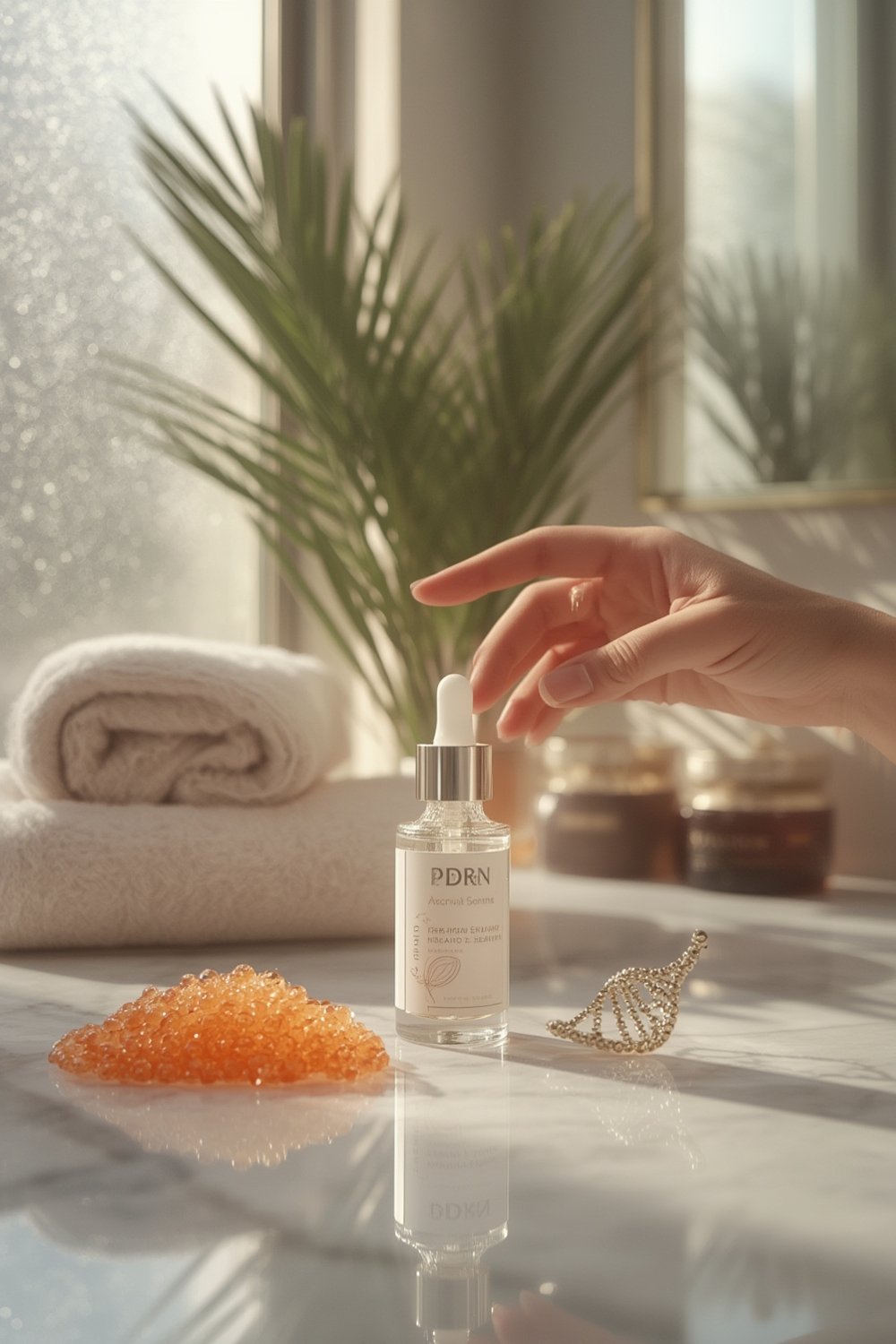
Clinical research from 2022 to 2024 shows impressive anti-aging and pigment-brightening effects. These include up to 1.3× increases in type I collagen gene activation and significant wrinkle reduction, particularly on frown lines and the forehead. Salmon-derived PDRN remains the gold standard because it’s well-tolerated and biocompatible, but new plant-based and synthetic sources now match these effects and offer greater sustainability.
This regenerative ingredient is now a top performer among Korean regenerative skincare treatments and seen as a must-know for anyone chasing fast skin repair, collagen renewal, and elasticity improvements—without major downtime or adverse reactions. To understand how to get the most from PDRN, you need to look at not only the science but the proper step-by-step usage in your routine.
For the most practical breakdown of PDRN ampoules, polydeoxyribonucleotide serum, and why K-Beauty clinics swear by PDRN face treatment, see our linked clinical guide.
Step-by-Step Guide: How to Maximize PDRN Skincare Results
Ready to try PDRN skincare? Here’s how to achieve visible results without wasting time on unproven products. Each step highlights both medspa-level and at-home options.
-
Choose the Right Product for Your Goal
- If you want faster wrinkle or scar repair, prioritize injectables or pro devices at a clinic (consultation required).
- For regular anti-aging, choose a clinical-grade PDRN ampoule or salmon DNA serum labelled between 1% and 3% active PDRN. Look for certifications or third-party test results.
- If you are vegan or require halal/ethical sources, select a plant-derived or synthetic PDRN product. They match efficacy in clinical assays.
For a deeper walkthrough, check out our step-by-step actionable guide to PDRN skincare.
-
Prep Your Skin
- Cleanse thoroughly to remove oil, makeup, and SPF. Pat dry.
- Optional: Use a gentle exfoliant (such as lactic acid or PHA) the night before application for better penetration.
-
Apply Your PDRN Serum or Ampoule
- Dispense a pea-sized amount and press it into the skin, focusing on areas with fine lines or pigmentation. Do not rub vigorously.
- Wait 1-2 minutes for absorption.
- For deeper result, pair with microneedling (clinic or at-home roller). Aftercare is essential—always follow professional instructions if doing in-clinic procedures.
-
Seal and Replenish
- After PDRN application, always lock in with a bland, fragrance-free moisturizer. This helps retain actives and calm irritation.
- Finish with sunscreen in the morning or soothing sleeping pack at night.
-
Repeat & Monitor
- Results occur fastest when products are used daily for 4–6 weeks, with visual improvements in elasticity, dullness, and hyperpigmentation. For injectables, clinical intervals are every 2–3 weeks as advised.
- Monitor your own response. Stop use if irritation, allergy, or persistent redness develops—though these are rare in both salmon and plant-based PDRN formulas.

For more tips on maximizing Korean regenerative skincare with salmon sperm serum, keep your routine simple and consistent. For additional strategies and how to compare PDRN to other DNA-boosters, check our insights on effective PDRN face treatments for collagen stimulation.
Advanced Analysis & Common Pitfalls
Despite game-changing studies, not all PDRN products or routines deliver equal results. Several realistic problems can sabotage your investment or your skin health.
Adverse Reactions and Real-World Side Effects
- Extensive trials since 2022 reveal minimal side effects for both topical and injectable PDRN: just mild redness or swelling for a few days after invasive procedures. Topicals (serums, ampoules) show almost zero irritation, even for sensitive skin. Sources: clinical study, clinical review.
- No systemic or persistent side effects have been reported in 40-patient trials, nor in cosmetic filler evaluations using PDRN or polynucleotide blends.
Pitfalls: Product Quality, Sourcing, and Concentration
- Check ingredient concentration: Top clinical results used 3% PDRN solutions. Lower concentrations might help hydration, but robust anti-aging effects rely on higher actives.
- Beware of mystery sourcing: Only salmon-identified or certified plant-based PDRN provide true regenerative action. “DNA ampoules” without clear content often underperform.
- Topical PDRN absorption is only 30%-50% in the dermis. The best results now come from liposomal or microneedle-enhanced products, especially if you’re not going in-clinic.
- Price is not an automatic quality marker; some “authentic Korean” serums do not meet the studied concentration or reporting standards. New synthetic/plant-based formulas can match or exceed results, often at lower cost.
| PDRN Product Attribute | Typical Range | Impact on Efficacy | Typical Use |
|---|---|---|---|
| Concentration | 1–3% (30–60 mg/2 ml typical for injectables) | Higher concentration = better wrinkle & pigmentation repair (clinical threshold: ≥3%) | Injectables, premium ampoules |
| Source | Salmon sperm, plant-based, synthetic DNA | Clinical results and biocompatibility highest for salmon, but plant/synthetic options are catching up fast | All skin types; vegan/halal needs |
| Delivery Route | Topical, injectable, microneedle, mask | Injectables/in-clinic provide fastest/strongest results; topicals still effective with the right formula | Clinic, retail, home |
| Regulatory | KFDA, CE mark, vegan/halal certs emerging | Clinic-grade ensures safety; over-the-counter topicals are rarely regulated to the same standards | Clinic, retail |
| Side Effects | Rare, mild (mainly post-procedure) | Virtually none with pure topical/serum use; always patch test | All users |
What Top Articles Miss (You Shouldn’t)
- Long-term (6+ months) efficacy: Most studies stop at six months. Nobody knows if PDRN’s visible effects plateau or fade over a year. Track your real-world results and alternate with other boosters seasonally for sustained improvement.
- Salmon vs. plant-based PDRN for allergies: Both are safe, but no comparative allergy rates or statistics in atopic skin are published. If allergic to seafood, plant-based or vegan alternatives may be safest.
- Standardized absorption/excipient info: Details on boosters like liposomes (which improve topical delivery) are rarely listed on product labels. Choose brands with transparent ingredient science.
For more analysis of polydeoxyribonucleotide serums, compare our review of clinical vs. OTC PDRN products.

Conclusion
PDRN skincare sits at the cutting edge of Korean regenerative skincare and international beauty. Genuine clinical results – reduced wrinkles, brighter tone, faster healing, and minimal irritation – are now possible outside the clinic with carefully sourced salmon DNA serum or next-gen plant-derived ampoules. Concentration and provenance matter; regulation is improving, but not yet universal. No major risk has been shown in the evidence so far, so most users can try PDRN safely and expect real anti-aging benefit in four to six weeks. If you’re ready to make PDRN part of your routine, always choose a transparent, tested formula and track your results for ongoing improvement. For deeper comparisons of face treatments and next-level use cases for PDRN skincare, check our linked clinical guides and get more from your daily regimen.
Learn how to personalize your PDRN routine here.
Frequently Asked Questions
Is PDRN skincare safe for sensitive or allergy-prone skin?
Clinical studies reveal almost no adverse reactions in both salmon- and plant-derived PDRN when used as serums or ampoules. Redness and swelling may briefly occur after microneedling or injections, but rarely for topicals. If you have allergies to fish, choose plant-based or synthetic options to further reduce risk. Always patch test new products.
How long until I see results from PDRN ampoules or serums?
Most users and studies report visible improvements (wrinkles, skin quality, pigmentation) within four to six weeks of daily use. Wrinkle depth and elasticity improves most around the frown and forehead when formulas use 3% PDRN or higher.
What is the difference between salmon DNA serum and plant-based PDRN?
Both activate skin regeneration by stimulating fibroblasts and protein synthesis. Salmon DNA still dominates clinical studies and has highest biocompatibility, but new plant-derived PDRN offers similar effects, improved scalability, and no risk for seafood allergy. The choice depends on your ethical or dietary concerns, not efficacy.
Why are PDRN injectables more expensive than over-the-counter serums?
Injectables deliver PDRN deeper into the skin and give stronger, faster results. These are regulated, clinic-grade, priced higher, and usually require medical supervision. Serums and ampoules cost less but may have lower concentration or delivery efficiency, though proven formulas still deliver significant impact for daily routines.
Does PDRN skincare require KFDA or FDA certification?
In South Korea, clinic-grade injectables and topicals generally require KFDA approval, ensuring purity and concentration. Most over-the-counter serums are less tightly regulated, but brands with CE, halal, or vegan certifications are now emerging. Look for these credentials if you want extra safety assurance.
—