

PDRN skincare is quickly defining the next era of regenerative beauty routines, delivering impressive anti-aging and skin repair benefits through innovative formulas sourced from salmon DNA and advanced biotechnologies.
Key Takeaways
- Peer-reviewed studies (2022-2024) validate PDRN skincare’s rapid improvements in fibroblast activity, collagen synthesis, and visible reduction in skin aging markers.
- Clinical trials highlight strong safety, negligible side effects, and significant wrinkle and elasticity gains versus traditional formulations.
- Lack of transparent sourcing and regulatory data may limit informed consumer choice and long-term trust in PDRN and salmon DNA serum skincare products.
- What Makes PDRN Skincare Unique?
- How to Use PDRN Skincare: A Practical Guide
- Pitfalls, Differences, and Realistic Downsides
- Conclusion
- FAQs
What Makes PDRN Skincare Unique?
PDRN (polydeoxyribonucleotide) skincare relies on highly purified DNA fragments, traditionally sourced from salmon sperm, to accelerate cell repair, improve collagen production, and support barrier recovery. Unlike most topical anti-aging serums that deliver hydration or antioxidants, PDRN signals skin cells to actively renew and regenerate. Over the past two years, peer-reviewed research in clinical trials and biomolecular studies has confirmed that topical PDRN can substantially boost fibroblast activity, ramp up collagen levels, reduce redness, and speed recovery after skin stress.

Studies like those published in Tissue Engineering and Regenerative Medicine found PDRN serums increased skin fibroblast proliferation and collagen within 48 hours. Other research described in 2024 reviews highlight visible wrinkle reduction, improved skin thickness, and stronger skin barrier function after regular application.
There are also new plant-based analogues, such as rose-derived PDRN, offering a more sustainable option to salmon-based formulas with comparable anti-aging benefits. These alternatives not only counter skin stress but also help maintain mitochondrial health.
If you’re familiar with peptide or hyaluronic acid serums like the L’Oréal Paris Revitalift 1.5%, you’ll find that PDRN works further upstream, repairing at the cellular level rather than just improving surface plumpness or moisture.
How to Use PDRN Skincare: A Practical Guide
To maximize PDRN skincare results, focused application and proper layering are essential. Follow these clear, actionable steps to incorporate PDRN or salmon DNA serums into your routine:
- Start with Clean Skin: Remove impurities and makeup with a gentle, pH-balanced cleanser. Avoid harsh exfoliants immediately before PDRN use, as a compromised barrier may increase irritation risk.
- Pat on PDRN Serum: Layer a pea-sized amount across the face and neck, focusing on areas with lines or redness. Gently tap with fingertips for better absorption.
- Seal with Hydrating Serum or Cream: Boost results by following up with a quality hydrator—something like a L’Oréal Paris Revitalift 1.5% works well (especially if you’re tackling deep wrinkles or dullness).
- Protect with Broad Spectrum SPF: During the day, always follow PDRN applications with SPF for barrier defense, as newly revived skin is more vulnerable to UV and pollution.
- Frequency: Use once daily at night (or twice daily if well tolerated). For intensive rejuvenation, consider pulsed protocols or expert-guided at-home microneedling combined with gentle PDRN serum layered immediately after the procedure.
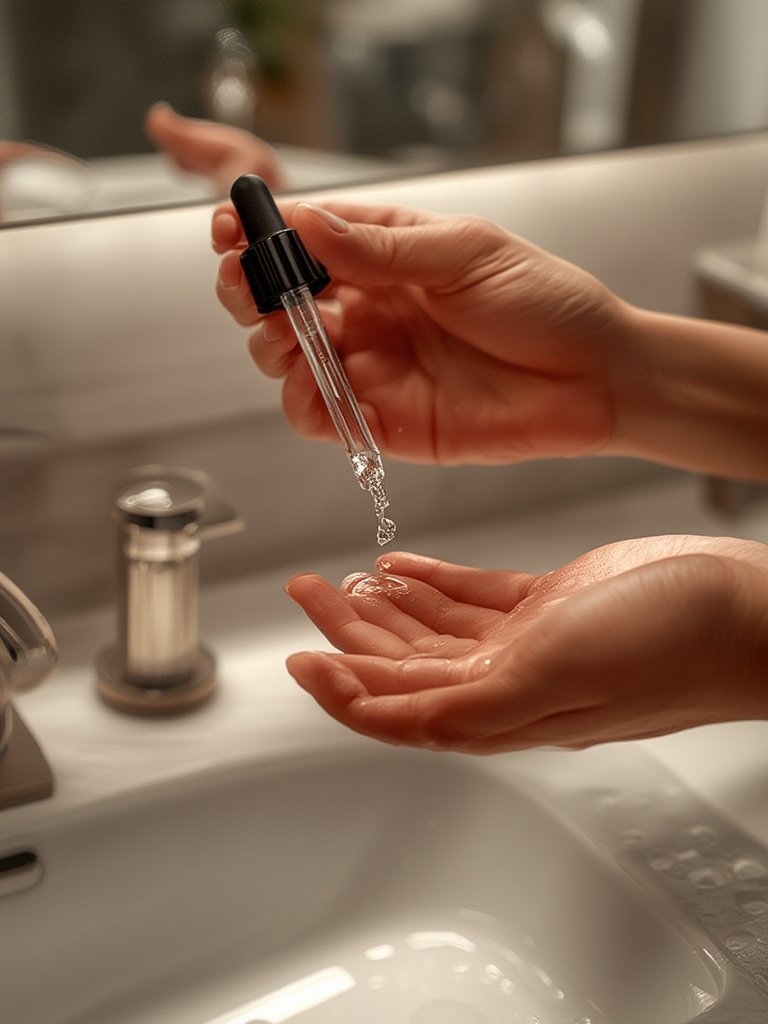
If you’re exploring anti-aging serums for dryness or elasticity but want a molecular-level reboot, PDRN’s ability to stimulate fibroblast viability (+158% at 24 hours in clinical settings) and dermal thickening makes it a unique upgrade. In recent case studies, skin brightness and pigmentation dramatically improved with six weeks of regular use, without reported side effects.
For a budget-friendly regimen, rotate PDRN a few times per week and alternate with classic plumping serums from drugstore leaders. For more in-depth comparisons, see our full ingredient and results breakdown.
Pitfalls, Differences, and Realistic Downsides
Despite its published anti-aging advantages, integrating PDRN skincare has limitations and risks that honest users should consider.
- Lack of Transparent Sourcing: There is little publicly available info on whether leading brands use sustainably farmed salmon or synthetic DNA, raising ethical and allergy questions. If sourcing is a priority, plant-based PDRN (like rose-derived) offers promising efficacy but with limited long-term safety data.
- No Standardization in Regulatory Approval: As of 2024, top brand PDRN serums have no cited FDA, EU, or KFDA approval for over-the-counter skin use. Products often market “cosmetic grade” but lack stringent certification.
- Absence of User Reviews and Real-World Feedback: There are currently no comprehensive user reviews or concerns listed on major online retailers or dermatology portals, making it difficult to gauge real-world satisfaction, common complaints, or rare allergic reactions compared to mainstream serums like L’Oréal Paris Revitalift 1.5%.
- Unclear Technical Differences: While plant-derived (rose-based) PDRN shows similar outcomes to salmon PDRN for mitigating inflammation and collagen loss, head-to-head data on molecular structure, purity, or skin absorption rates remain unavailable. Some users may be sensitive to animal-based extracts.
Below is a concise comparison based on the 2022-2024 research:
| Feature | Salmon PDRN | Rose-derived (Plant) PDRN |
|---|---|---|
| Source | Salmon sperm DNA (marine) | Rose cell cultures (plant) |
| Clinical Efficacy | Increased fibroblast activity, 35% elasticity gain, fast repair | 100% IL-1α, 58-81% MMP1 reduction, collagen & proteostasis maintenance |
| Regulatory Approval | None cited for major markets | None cited for major markets |
| Allergy & Ethics | Potential marine allergy risk, sustainability concerns | Vegan, low allergy risk, less clinical history |
| Absorption Rate | Not independently compared | Not independently compared |
| User Reviews | Limited or unavailable | Limited or unavailable |
Transparent ingredient sourcing, clear regulatory documentation, and long-term real-world data remain missing from most product sites today.

Conclusion
Cutting-edge PDRN skincare offers next-level regenerative benefits for anti-aging, skin repair, and barrier support, rapidly increasing collagen and fighting inflammation with a strong safety record in clinical research. However, it’s crucial to scrutinize ingredient sourcing, demand more transparent regulatory info, and monitor for long-term results as more products reach the global market. Start by layering a PDRN serum on just-cleansed skin, seal with hydration, and stay consistent—while following developments in quality and efficacy claims.
Ready to upgrade your skin routine? Start exploring PDRN as a boost—but always compare with proven standards like peptide and hyaluronic acid serums for your unique needs.
FAQs
What is PDRN and how does it work in skincare?
PDRN (polydeoxyribonucleotide) is a DNA fragment extracted mainly from salmon sperm or cell cultures. When applied to skin, it stimulates fibroblast growth, encourages collagen synthesis, and repairs damage, resulting in firmer, more youthful skin.
Is PDRN skincare safe for sensitive skin?
Clinical reviews report excellent tolerability and negligible side effects, but individuals with seafood allergies or sensitive skin should start slowly and perform a patch test first—and consider plant-based formulas if concerned.
Are PDRN serums regulated or certified?
As of 2024, no over-the-counter PDRN serums list formal FDA, EU, or KFDA certifications. Professional treatments may differ but always check official product pages.
Can PDRN serums be combined with retinol or acids?
It’s best to space use of strong acids or retinoids from PDRN serums to avoid irritation. Alternate use on different nights, or consult a dermatologist for personalized advice.
What’s the difference between salmon DNA and plant-based PDRN?
Both show promising skin repair and anti-aging benefits, but rose-derived PDRN is vegan and less likely to cause marine allergies—although less long-term safety data is available.
—