

### Blog Post:
Exosome skincare is changing how we think about skin rejuvenation, with new clinical evidence suggesting real anti-aging benefits and faster results compared to well-known actives like retinol. But is this breakthrough ingredient the next big thing, or just clever marketing? Here’s what you absolutely need to know before adding exosome treatments to your routine.
Key Takeaways
- Recent clinical trials (2022-2024) show exosome skincare significantly outperforms retinol for reducing wrinkles and pigmentation—with visible results in as little as 2-3 weeks.
- Topical exosome serums have high safety profiles and minimal side effects, but product quality and lack of standardized regulations still pose real concerns.
- The exosome cosmetic market is expanding rapidly, yet users should know what actually works, price transparency issues, and why at-home use differs from medspa treatments.
- What Is Exosome Skincare and Why Does It Matter?
- How to Use Exosome Skincare: A Simple Step-by-Step Guide
- Deeper Analysis: Real Pitfalls, Side Effects, and Market Truths
- Conclusion: Should You Try Exosome Skincare?
- Frequently Asked Questions
What Is Exosome Skincare and Why Does It Matter?
Exosome skincare means topically applying serums or creams powered by cell-derived “exosomes”—microscopic, extracellular vesicles naturally released from stem cells, plants, or platelets. These exosomes are loaded with growth factors, peptides, and signaling molecules that tell your skin to repair, renew, and regenerate at the cellular level.

Recent research confirms exosome-based products can boost collagen and elastin, reduce oxidative stress, improve texture, and fade hyperpigmentation much faster than legacy actives. For example, a series of systematic reviews and recent Korean trials found that exosome serum outperformed retinol in wrinkle and pigment reduction, with results up to 7.2x and 17x greater, respectively, in just 8 weeks. Visible changes start to appear in only 2-3 weeks, with additional benefits for skin thickness and elasticity (source).
Both animal/human and plant-based exosome serums exist. Plant (like rose stem-cell) exosomes regulate inflammation and pigmentation, while human/animal-derived (like adipose or platelet) types focus on extracellular matrix remodeling and reducing cell aging.
In a beauty world obsessed with quick fixes, exosome skincare offers new promise, but without some of the irritation and downtime of more aggressive treatments. However, with few regulatory standards and little price transparency, making smart, informed choices is critical for anyone wanting genuine results.
How to Use Exosome Skincare: A Simple Step-by-Step Guide
- Choose a high-quality exosome serum: Look for traceable sourcing (e.g., plant stem cell, human platelet, or adipose stem cell origin), clinical test backing, and clear ingredient transparency. Avoid off-label injectables (for professional use only).
- Create a clean, receptive skin canvas: Gently cleanse and, if tolerated, exfoliate lightly (but do not combine with strong acids the same day).
- Apply exosome serum to slightly damp skin: This enhances absorption. Most clinical studies used 1–2 pumps over the entire face, focusing on problem zones.
- Use after in-clinic treatments (optional): Exosome products can also be used after microneedling (if advised by your provider) for better healing and improved outcomes. Some at-home LED masks can also boost penetration (source).
- Seal with moisturizer and sunscreen: Lock in the exosome actives and protect the renewed skin barrier.
- Use consistently, monitor changes: Most studies show visible changes in 2–3 weeks, with full effects by 8–12 weeks.
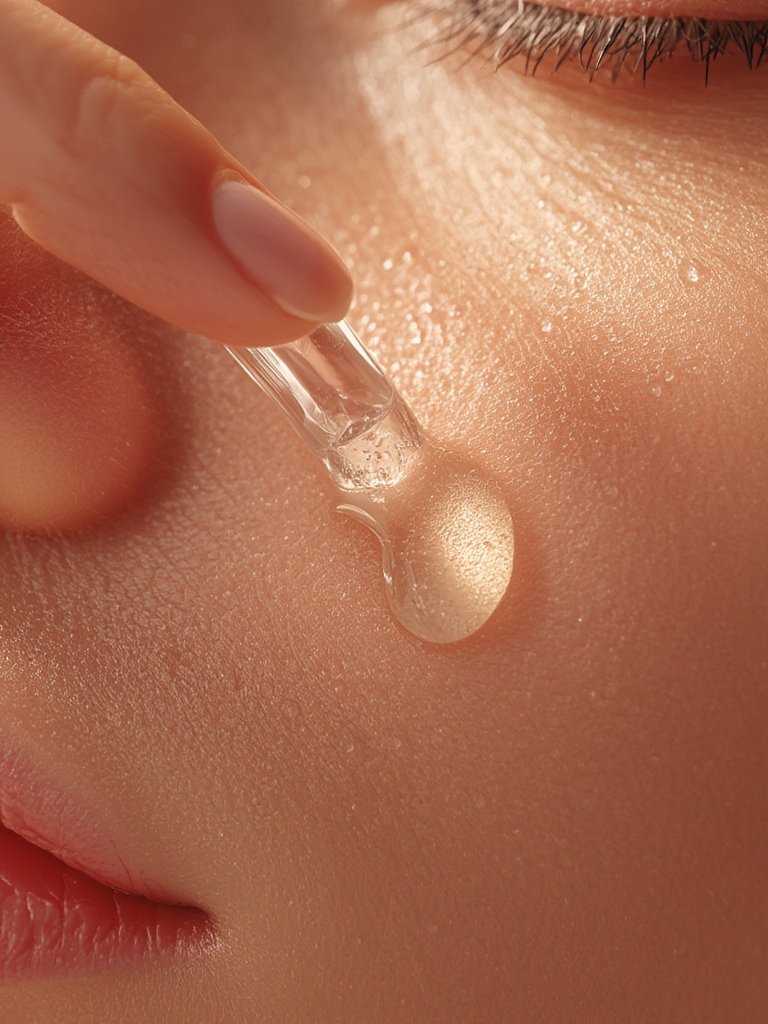
If you want a more advanced route, certain professional medspas now offer topical exosome protocols after procedures like microneedling. Results often include enhanced redness reduction, faster wound healing, and better pigment fading compared to older growth factor or stem cell serums (see this clinical pilot study).
Want to keep it cruelty-free? New plant exosome serums now show promise for inflammation, pigmentation, and wound repair, offering a vegan-friendly option that’s backed by preclinical and early-stage studies (read more here).
For further reading on other Korean regenerative trends, check out these actionable guides: PDRN skincare and the Dr Melaxin multi balm for DNA-level renewal and affordable anti-aging alternatives.
Deeper Analysis: Real Pitfalls, Side Effects, and Market Truths
While the science behind exosome skincare is promising, the reality isn’t as flawless as some beauty brands claim. Here are realistic limitations and what to watch out for:
Common Pitfalls and Side Effects
- Lack of Price Transparency: Manufacturers rarely disclose full costs or comparative values. Prices for exosome treatments remain higher than traditional actives—sometimes rivaling stem cell or growth factor serums. No hard 2024 figures exist, but expect a premium.
- Variable Product Quality: Not all exosome products are equal. Poorly sourced or inadequately processed serums may deliver little benefit.
- Unproven At-home Claims: While topical exosome serums are safe and effective in studies, many at-home products piggyback on hype without rigorous, controlled testing.
- Shortcomings in Long-term Data: Most published research covers only 8 to 12 weeks. The field needs larger, longer studies to confirm both efficacy and safety.
- Limited Regulatory Oversight: Though FDA/EMA have not issued warnings, lack of consistent standards raises questions about shelf stability, contamination, and true content (read study).
- Risk of Sensitization (Rare): Even with low reported adverse events, mild irritation or redness may occur if combined with aggressive exfoliation, retinoids, or after procedures.
| Exosome Source | Main Actions in Skin | Best For | Known Downsides |
|---|---|---|---|
| Plant-derived | Inflammation modulation, anti-pigmentation, wound & scar repair | Vegan use, redness, pigment, sensitivity | Fewer human trials, variable sourcing |
| Human/animal-derived | Collagen & elastin boost, anti-aging, anti-inflammatory | Texture loss, wrinkles, elasticity concerns | Ethical concerns, higher cost, reported poor regulation |
| Platelet-based (PRP exosomes) | Reduced cell aging, photodamage, improved wound healing | Post-procedure recovery, advanced aging | Clinic-only procedures, not strictly topical OTC use |
Market Momentum and Adoption Trends
The exosome cosmetic market is booming—projected to double by 2032 with a nearly 10% CAGR (see report). Major medspas and home skincare brands are racing to launch new topical products. This surge is fueled by consumer demand for professional results without medspa costs or downtime—a trend also seen in innovations like Dr Melaxin multi balm and the K-beauty inspired PDRN ampoule trend.
Still, with no clear price floors and persistent concerns around product consistency, it’s wise to research brands, check for peer-reviewed backing, and avoid any products with vague sourcing or outlandish claims.
Who Should Be Cautious?
- Anyone using strong acids, retinoids, or prescription skin treatments (space usage by 48 hours).
- Those with ultra-sensitive skin—always patch test first.
- People with ethics-driven purchasing—plant exosome serums may be the better fit.

Conclusion: Should You Try Exosome Skincare?
Exosome skincare is one of 2024’s most exciting (and fastest-evolving) trends. The best topical serums appear to deliver anti-aging, healing, and pigment correction benefits—often surpassing popular actives like retinol in side-by-side trials. However, there’s real variability in how well these products are formulated, regulated, and even marketed. Do your homework: look for clinical backing, transparent sourcing, and avoid products with unclear claims or off-label injectable use.
Curious to try it for yourself? Research your options with a critical eye and check out our deep dive on Korean regenerative innovations like PDRN serum to complement your routine. Ready to see if exosome skincare will transform your skin’s future? Start with quality–not hype–and track your results closely!
Frequently Asked Questions
How fast can I expect results from exosome skincare?
Most users report visible improvements in 2-3 weeks, with full effects by 8-12 weeks. Clinical studies show faster wrinkle and pigmentation reduction than with classic retinol.
Is exosome skincare safe for sensitive skin or daily use?
Topical exosome serums have low risk for irritation and minimal side effects in trials. Still, always patch test—especially if your skin is sensitive or you use strong actives like acids or retinol. Avoid using injectables unless prescribed by a professional.
How do I choose between plant and animal/human-derived exosome skincare?
Plant-derived exosome products are best for those wanting vegan, cruelty-free formulas with emerging benefits for pigmentation and inflammation. Animal/human-derived exosome serums show deeper collagen-stimulating effects, but may raise ethical or cost concerns.
Do exosome serums replace retinoids, peptides, or growth factors?
No. Exosome serums can complement or even outperform some traditional actives, especially for collagen, repair, and pigment correction, but they’re best used as an addition, not a total replacement, for a well-rounded routine.
Are there official FDA or EMA warnings or approvals for exosome skincare?
As of 2024, no formal warnings or approvals have been issued. Most clinical research and real-world use covers only topical products—not injectables. Always buy from reputable brands with peer-reviewed evidence or clinical backing.