

At-home medspa devices are transforming the way we access advanced skincare and beauty treatments, making professional results possible without clinic visits or downtime. But how effective are these devices, what’s driving their explosive adoption in 2024, and what pitfalls must discerning buyers watch for?
Key Takeaways
- Light-based and microcurrent at-home medspa devices are surging in popularity, led by clinical-grade features and strong US sales growth.
- Professional quality depends on factors like advanced safety features and certifications, not just aesthetics or price.
- Common pitfalls include lack of safety oversight, unrealistic expectations, and device misuse—knowing the difference is essential for results.
- What Are At-Home Medspa Devices and Why Are They Booming?
- How To Choose and Use At-Home Medspa Devices: A Step-by-Step Guide
- Advanced Analysis & Common Pitfalls: Avoiding Costly and Risky Mistakes
- Conclusion: Are At-Home Medspa Devices Worth It?
- Frequently Asked Questions
What Are At-Home Medspa Devices and Why Are They Booming?
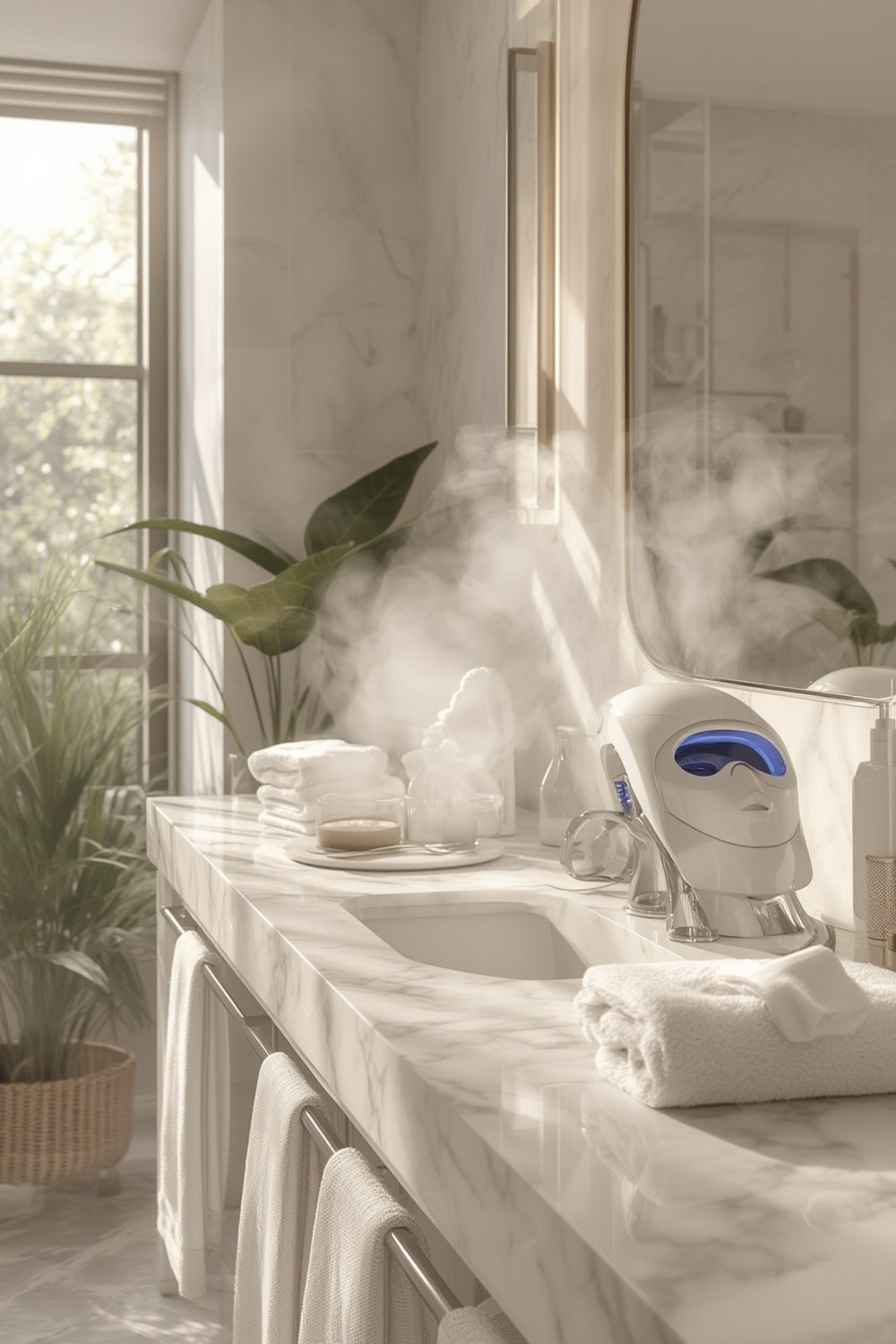
At-home medspa devices are compact, consumer-accessible versions of professional tools once limited to clinics or spas. These include LED masks for red light therapy, IPL hair removal handsets, radiofrequency skin tightening, microcurrent sculpting tools, smart facial massagers, and more. The key appeal: professional-level results, privacy, and avoidance of ongoing medspa costs or appointments.
According to recent market analysis, light-based devices, especially LED and IPL, commanded a 30.2% global market share in 2024, set to reach 33% in 2025. Sales of home-use LED devices rose by 22% in North America alone last year, and microcurrent device interest jumped by 17%. Over 63% of users now prefer at-home devices for their convenience and cost-effectiveness, with online and social commerce fueling a 25% surge in sales. The overall home-use beauty devices market is projected to leap from $17.1 billion in 2023 to $91.8 billion by 2030, with a 27.4% CAGR, reflecting both global demand and a shift toward more clinical-grade, feature-rich units.Source
Women over 35 dominate the US market (accounting for over 68% of 2025 purchases), with a growing focus on non-invasive anti-aging options, collagen stimulation, and long-term skin health. Demand for tools with medical-grade credentials—like advanced wavelength control, built-in safety sensors, and certified components—now outpaces generalized, non-specialized models.
How To Choose and Use At-Home Medspa Devices: A Step-by-Step Guide
Navigating the at-home medspa device market can be intimidating—feature sets and prices vary wildly, and the line between safe and risky is easily crossed. Here’s a clear roadmap to help you make smart, skin-safe choices:
-
Define Your Skin Goals
- Clarify your primary concern: wrinkle reduction, lifting, hyperpigmentation, acne, or hair removal.
-
Research Devices With Clinical Backing
- Check for dermatologist-backed studies or third-party trials supporting effectiveness. While CurrentBody’s LED mask, for example, has some dermatological endorsement, comprehensive clinical data versus in-clinic treatments remains limited.Source
-
Prioritize Professional-Grade Features
- Look for advanced wavelength control, adjustable intensity, built-in thermal sensors, and CE or FDA certifications.Source
- Examples: Silk’n IPL adjustability, Lumenis compact laser modules, or devices with thermal/impedance feedback to prevent burns.
-
Read Verified Reviews and Inspect Return Policies
- Look for both positive and negative feedback. Negative reviews often highlight inconsistent results, discomfort during use, or poor battery life. If you have very sensitive skin, investigate user experiences on this specifically.
-
Patch Test First, Always
- With any new device, test on a small area before full-face use to minimize irritation or reactions.
-
Integrate with Smart Skincare
- Boost benefits and minimize downtime by pairing with evidence-backed actives or regenerative serums. Popular in 2024 is PDRN skincare—a trend driven by K-beauty and demand for DNA-level collagen support.
-
Practice Consistency, Track Progress
- Document your device schedule and incremental changes. Realistic improvements come with regular, correct use—not “one and done.”
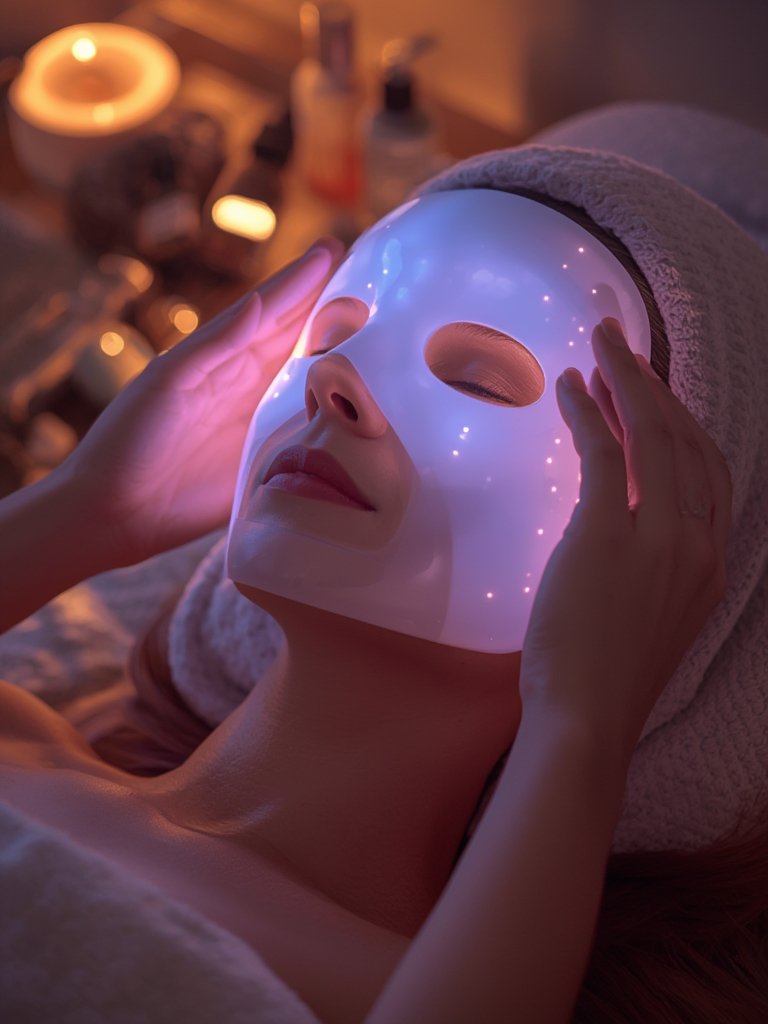
Want more featured tips? Some at-home devices offer UV sterilization or ozone water cleansing, further reducing the risk of irritation and keeping sensitive skin safer. Just as you’d spot-clean clinic tools, home devices must be regularly disinfected and stored in cool, dry areas for optimal longevity.
Curious about more low-effort yet effective anti-aging shortcuts? Viral sensations like the Dr Melaxin multi balm (“Botox stick”) and innovative K-beauty regimens are reshaping how users approach home treatments, giving you options even on busy (or lazy) days.
Advanced Analysis & Common Pitfalls: Avoiding Costly and Risky Mistakes
The at-home medspa devices market is booming, but so are challenges. Here’s what you must know before investing:
- Overpromising, Underdelivering: Many generic devices mimic the look of professional gear but lack advanced features—leading to subtle or no results, especially in wrinkle reduction or lifting.
- Subpar Safety Standards: Lower-quality models often skip robust wavelength or intensity controls, risking burns or pigmentation issues, particularly for Fitzpatrick IV–VI skin tones.
- No Official Safety Guidelines: Few brands offer comprehensive, accessible contraindications. Users with autoimmune conditions, pacemakers, epilepsy, or severe sensitivities should always consult health professionals first.
- Lack of Clinical Head-to-Head Data: There’s limited peer-reviewed research directly comparing at-home devices to in-clinic medspa results. While devices like CurrentBody’s LED mask have some clinical basis (noted by dermatologist studies), overall claims remain less vetted than professional treatments.Source
- Hidden Costs: While devices cost less than ongoing treatments, maintenance, consumable heads, or premium serums (such as salmon DNA serums) can inflate at-home expenses over time.
- Unrealistic Expectations: Results are usually gradual, not instant. Misuse can negate benefits—sometimes causing more harm than good.
| Device Type | Home Device Features | Professional Medspa Equivalent | Pitfalls/Risks |
|---|---|---|---|
| LED Mask (Red/Blue) | Adjustable wavelengths (610–850 nm), safety timers, CE/FDA certification | Medical-grade multi-wavelength panels, practitioner monitoring | Uneven results, skin irritation, inadequate power output if uncertified |
| Microcurrent Tool | Multiple intensities, impedance sensor, ergonomic design | Higher current, customized protocols | Not for pacemaker users, inconsistent results if misused |
| IPL Hair Removal | Adjustable fluence, flash counters, safety skin sensors | High-output lasers, physician guidance | Burns, hyperpigmentation on darker tones, slow results |
For those with ultra-sensitive skin, always check if your device emits excess heat, or if its electrodes irritate after one session. Consult a dermatologist or esthetician to tailor protocols, and stop use at any sign of swelling, burning, or persistent redness.
For a detailed exploration of non-device options driving similar at-home results, read about trending Korean regenerative skincare or TikTok-breakout balms like Dr Melaxin that now rank among the fastest-growing medspa alternatives.

Conclusion: Are At-Home Medspa Devices Worth It?
At-home medspa devices can deliver professional-level benefits when you understand the landscape. Focus on buying certified, feature-rich tools, and respect your skin’s unique boundaries. Don’t expect overnight miracles—real results hinge on proper use, safety, and patience. If you prefer fewer risks and more convenience in your self-care, investing in at-home medspa devices can be one of the most empowering beauty choices of 2024.
Ready to take your skincare into your own hands? Explore trusted professional devices, pair them with cutting-edge solutions like salmon sperm serum or Dr Melaxin’s multi balm, and always prioritize safety—because your skin deserves only the best.
Frequently Asked Questions
How do I know if an at-home medspa device is truly professional grade?
Look for independent safety certifications (CE or FDA), adjustable wavelength or intensity, smart sensors that prevent overheating, and transparent clinical testing. If it seems generic or lacks thorough documentation, it likely isn’t professional grade.
Can at-home LED masks or microcurrent devices replace in-clinic treatments?
Some devices offer benefits similar in kind but not always in strength. Clinical studies for home devices are currently limited. For maximum results, they can supplement—not fully replace—professional medspa protocols.
Who should NOT use at-home medspa devices?
Individuals with implanted electrical devices (like pacemakers), epilepsy, autoimmune disorders, skin infections, or recent cosmetic surgeries should consult a doctor before use. Always review the manual’s list of contraindications.
Are there risks in buying cheaper or unbranded devices online?
Yes. Lower-cost, unbranded devices often lack essential safety features, can misstate wavelengths or strengths, and may increase risk of burns or ineffective results. Choose only reputable, well-reviewed brands.
What skincare should I pair with my device for best results?
Hydrating formulas and barrier-repair serums work well. For next-level results, regenerative actives like polydeoxyribonucleotide serum can be paired with microcurrent or LED treatments to boost healing and collagen.