

### Blog Post:
Middle Eastern fragrance is redefining the global perfume industry, blending ancient olfactory heritage with modern luxury and innovation. In this in-depth guide, we uncover why these scents command such devotion in the UAE and beyond, what elevates them above mainstream options, and how you can truly experience them for yourself.
Key Takeaways
- Middle Eastern fragrance is driving rapid growth in the global luxury perfume market, with UAE at the center of innovation and export.
- Bespoke oud, high-concentration blends, and unique packaging are fueling demand, especially among younger buyers.
- However, quality, longevity, and formulation transparency remain real concerns—understand what to look for before you invest.
- Understanding Middle Eastern Fragrance: Tradition Meets Innovation
- How to Choose and Experience Middle Eastern Fragrances in 2024
- Advanced Analysis & Common Pitfalls
- Conclusion
- FAQ
Understanding Middle Eastern Fragrance: Tradition Meets Innovation
Middle Eastern fragrance is synonymous with opulence, artistry, and deep olfactory traditions. Unlike Western perfumes, these scents often center around oud—a prized resinous wood—as well as amber, musk, and spices. In the UAE, fragrances are more than a beauty product; they are an essential cultural symbol and a top export.
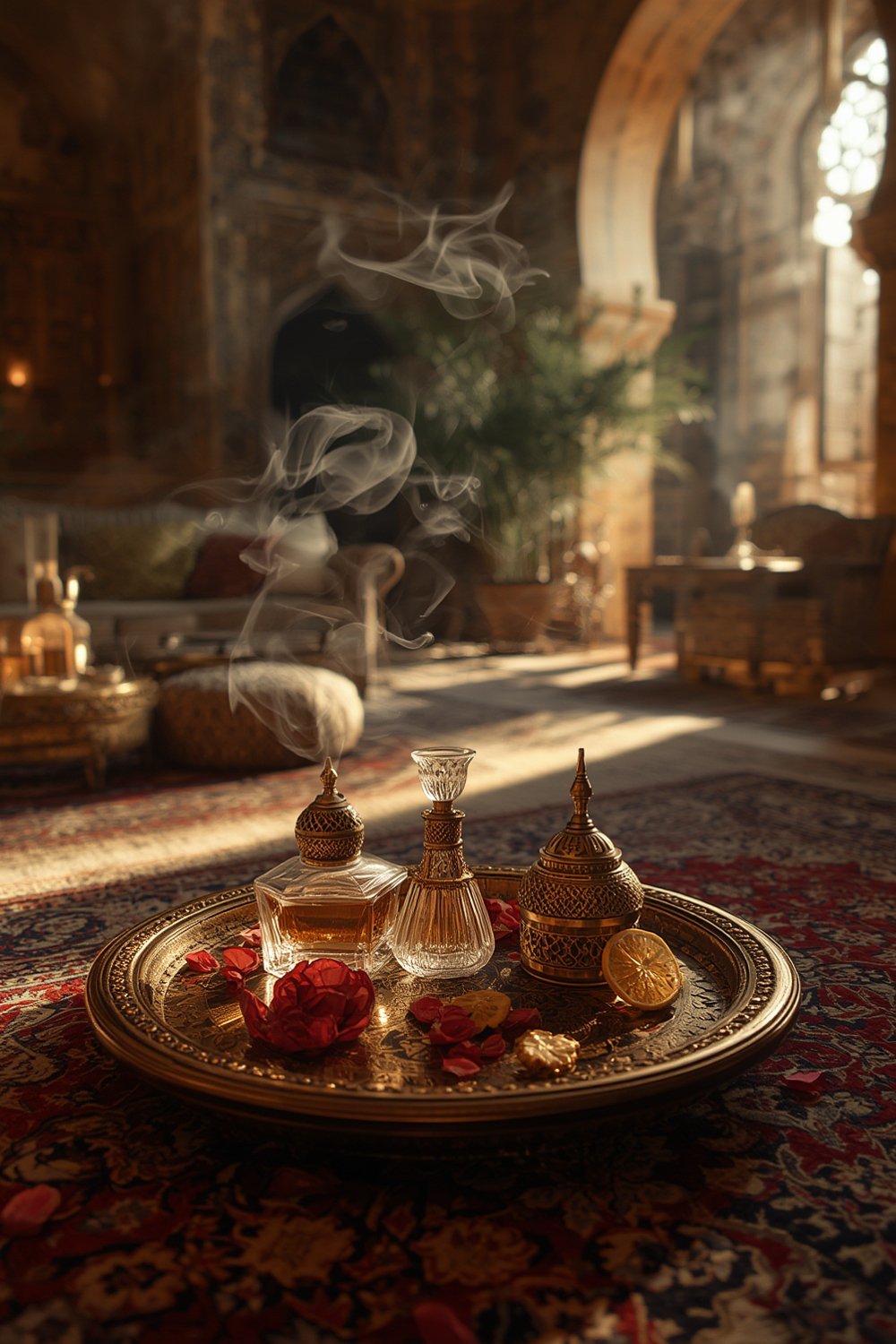
By 2024, the Middle East fragrances market reached USD 3.76 billion, with UAE sales alone set to top $1 billion by 2030 according to industry reports. Luxury and niche segments now make up 40% of UAE’s fragrance exports, driven by high disposable incomes and rising demand for personal, long-lasting scents.
Innovation is reshaping the sector. Millennials and Gen Z buyers expect unique Eau de Parfums, gender-neutral blends, and distinctive packaging—trends that older Western brands are now copying. Yet, discerning buyers face tough decisions about quality, value, and authenticity as global demand booms.
How to Choose and Experience Middle Eastern Fragrances in 2024
Finding the right Middle Eastern fragrance is different than picking a Western designer scent. Here’s how to experience true Arabian perfumery without costly mistakes:
- Begin with Authentic Oud or Amber Scents
Seek out brands with transparent sourcing and full ingredient lists. Avoid “oud” that smells overly synthetic or sharp; true oud (agarwood) is smooth, complex, and evolves on the skin. - Understand Concentrations
Middle Eastern fragrances usually have higher concentrations (parfum or extrait de parfum). These perform better than typical Eau de Toilette, especially in hot, dry climates. Look for at least 20% oil concentration for power and longevity. - Evaluate Brand Heritage and Story
Research the brand’s legacy and production method. While UAE exports over $682 million in perfume, not every bottle has cultural credibility. Read about their inspirations, methods, and—if possible—certifications. Limited edition or private collection labels often indicate higher craftsmanship. - Visit a Specialist or Luxury Boutique
In Dubai and Abu Dhabi, niche retailers allow you to experience rare blends and exclusive lines. A specialist can walk you through local customs and nuances. - Check for Innovative Packaging and Customization Options
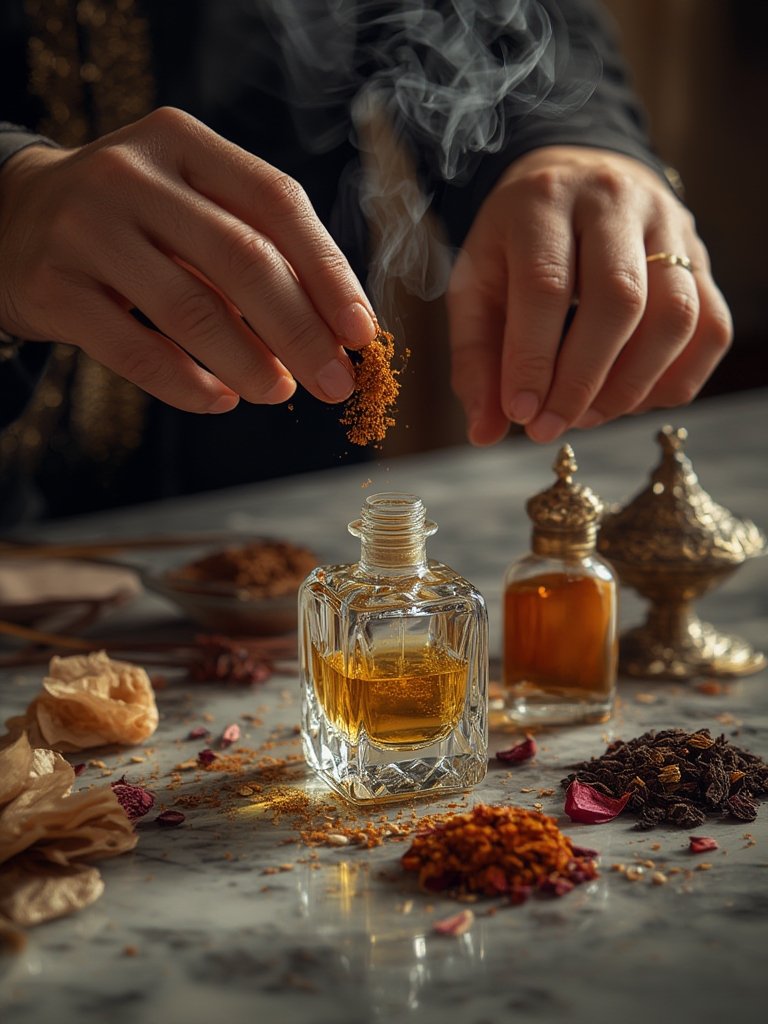
Middle Eastern perfumers are known for ornate bottles and personal storytelling. If you want the ultimate gift or keepsake, look for brands offering bottle engraving, monograms, or refillable options. - Beware the Value Trap
Expensive doesn’t always mean better. Compare price per ml with ingredient transparency. Amouage, for example, commands premium prices because of its proprietary blends, but affordable luxury brands like Lattafa now offer surprising quality, although availability and consistency may vary.
To extend your scent routine beyond fragrance, consider pairing it with PDRN ampoules. These Korean beauty innovations protect skin’s moisture barrier, which helps anchor fragrance notes for hours.
If you’re aiming for the full at-home luxury ritual, see how professional medspa devices are transforming beauty routines in the Middle East. A healthy, prepared canvas elevates how a fragrance develops and projects throughout your day.
Advanced Analysis & Common Pitfalls
Even the most reputed Middle Eastern fragrance brands are not immune to challenges. Here are real issues buyers report, plus advanced tips to avoid expensive regrets:
- Longevity and Projection May Vary: While formulations tend to be stronger, batches sometimes change—especially in mass-market releases. There is limited public data on specific user complaints for brands like Amouage or Lattafa, but anecdotal evidence suggests some buyers get weaker projection after reformulations.
- Authenticity Checks: Counterfeits are common at online marketplaces. Always buy from official stockists or authorized boutiques—especially for top-end oud and niche releases. If provenance is not detailed, reconsider your purchase.
- Ingredient Transparency and Allergens: Major brands rarely disclose full ingredient details, so patch testing is wise for sensitive skin. Some natural ouds are also animalic or smoky, which can polarize users not familiar with traditional Arabian scents.
- Lack of Clear Price Guidance: Unlike standardized Western brands, exact UAE retail price ranges for flagship Middle Eastern fragrances are not published. Expect luxury flagship oud perfumes from established houses to run several hundred to thousands of dirhams, while well-made mass-market (Lattafa, etc.) may start under AED 150 and reach AED 400+ for higher lines.
- Sustainability and Ethics: The environmental impact of oud harvesting, as well as animal-derived ingredients (like musk or ambergris), is rarely discussed. If ethically sourced or vegan options matter to you, pursue niche houses disclosing their practices.
| Feature | Niche Middle Eastern Perfume | Mainstream Western Perfume |
|---|---|---|
| Core Ingredients | Oud, Amber, Musk, Spices | Citrus, Herbs, Woods, Synthetics |
| Oil Concentration | 20%–40% (Extrait/Parfum) | 5%–18% (EDT/EDP) |
| Longevity | 7–24 hours | 3–8 hours |
| Packaging | Intricate, Gold, Customizable | Standardized, Minimal, Unisex |
| Price Range | Variable; Top brands: AED 500–4000+ | AED 150–750 (mass market) |
| Sourcing Transparency | Limited; Often Proprietary | Limited; Sometimes Disclosed |
For readers dedicated to skincare as the ideal base for fragrances, our deep-dive into polydeoxyribonucleotide serum explains why skin regeneration is crucial for all-day scent adhesion. Those exploring non-invasive beauty and wellness routines often find that products like Dr Melaxin multi balm can support a more radiant, even skin barrier, further elevating your fragrance profile.
Conclusion
Middle Eastern fragrance is at the forefront of global luxury, offering unparalleled diversity, intensity, and craftsmanship. While growth in the UAE and beyond continues to outpace older markets, buyers must look closely at sourcing, brand reputation, and real-world wearability. Make your first or next investment wisely—explore, test, and demand transparency. Ready to deepen your journey with your ideal Middle Eastern fragrance? Research, sample, and experience the true richness of this evolving art form.
FAQ
What makes Middle Eastern fragrance different from Western perfumes?
Middle Eastern fragrances focus on high concentrations, long-lasting sillage, and signature ingredients like oud, amber, and spices. Designs and stories often have deep cultural roots, differentiating them from the minimalist, synthetic-forward approach of many Western perfumes.
How can I spot a genuine oud-based Middle Eastern fragrance in the UAE?
Check for transparency about oud sourcing, look for official retailers, and note the scent profile. True oud should smell rich, complex, and evolve after application, not simply sharp or woody. Premium brands usually don’t hide their sourcing story and heritage.
Are Middle Eastern luxury fragrances suitable for sensitive skin?
They can be, but always patch test. High concentrations and rich natural ingredients may trigger reactions in sensitive individuals. Opt for brands disclosing more about their ingredients, and complement your routine with soothing skincare like polydeoxyribonucleotide serum for extra barrier support.
Do Middle Eastern fragrances last longer than mainstream brands?
Generally yes, due to higher oil concentrations and base-heavy formulations. However, longevity can vary widely with batch, skin chemistry, and ambient conditions. Applying fragrance over moisturized skin can boost performance.
What are emerging trends in Middle Eastern fragrance in 2024?
Growth in bespoke scents, unisex/gender-neutral blends, customizable packaging, and a focus on limited private collections are major trends. There is increasing demand for lighter, versatile fragrances among younger buyers, alongside traditional rich oud blends. For details, see sources like recent market analyses.