

### Blog Post:
ectoin skincare luxury has become a hot topic among skin longevity seekers, but how does this extremolyte ingredient actually perform versus classics like ceramides, especially in high-end formulations? The latest scientific data and real-world feedback reveal both major promise and overlooked limitations. Here’s what you really need to know before investing in next-gen barrier repair serums and luxury creams.
Key Takeaways
- Recent clinical studies show ectoin can rapidly improve skin barrier function and reduce water loss, but direct comparisons against ceramides are still missing.
- Luxury ectoin products excel in anti-pollution and soothing claims, yet may fall short for users needing intense occlusion or immediate “rescue” from sensitivity flares.
- Concentration, formulation, and real-world user needs matter—a one-size-fits-all approach doesn’t work for sensitive or rosacea-prone skin.
- The Core Concept: What Sets Ectoin Skincare Luxury Apart?
- Step-by-Step Guide: How to Maximize Benefits of Ectoin Skincare Luxury
- Advanced Analysis & Common Pitfalls: Ectoin vs. Ceramide for Barrier Repair
- Conclusion: Is Ectoin Skincare Luxury Right for You?
- FAQs
The Core Concept: What Sets Ectoin Skincare Luxury Apart?
Ectoin is a naturally derived molecule found in extremophile microorganisms—lifeforms that thrive in harsh environments like salt lakes and deserts. In skincare, it acts by forming a “molecular shield” around skin cells, which helps stabilize cell membranes and proteins against environmental stress such as pollution, UV, and dryness. Recent data show ectoin at 0.5 to 7% concentrations can meaningfully decrease transepidermal water loss (TEWL) and suppress inflammatory cytokines in skin models, strengthening the barrier and soothing irritation.
Unlike ceramide creams—which rebuild the skin’s lipid matrix—ectoin primarily protects by hydration shell formation and also helps upregulate your skin’s own ceramide production. Luxury formulations layer ectoin with antioxidants, humectants, and sometimes ceramides for a comprehensive approach to barrier support, combating environmental aggressors, dullness, and dryness.
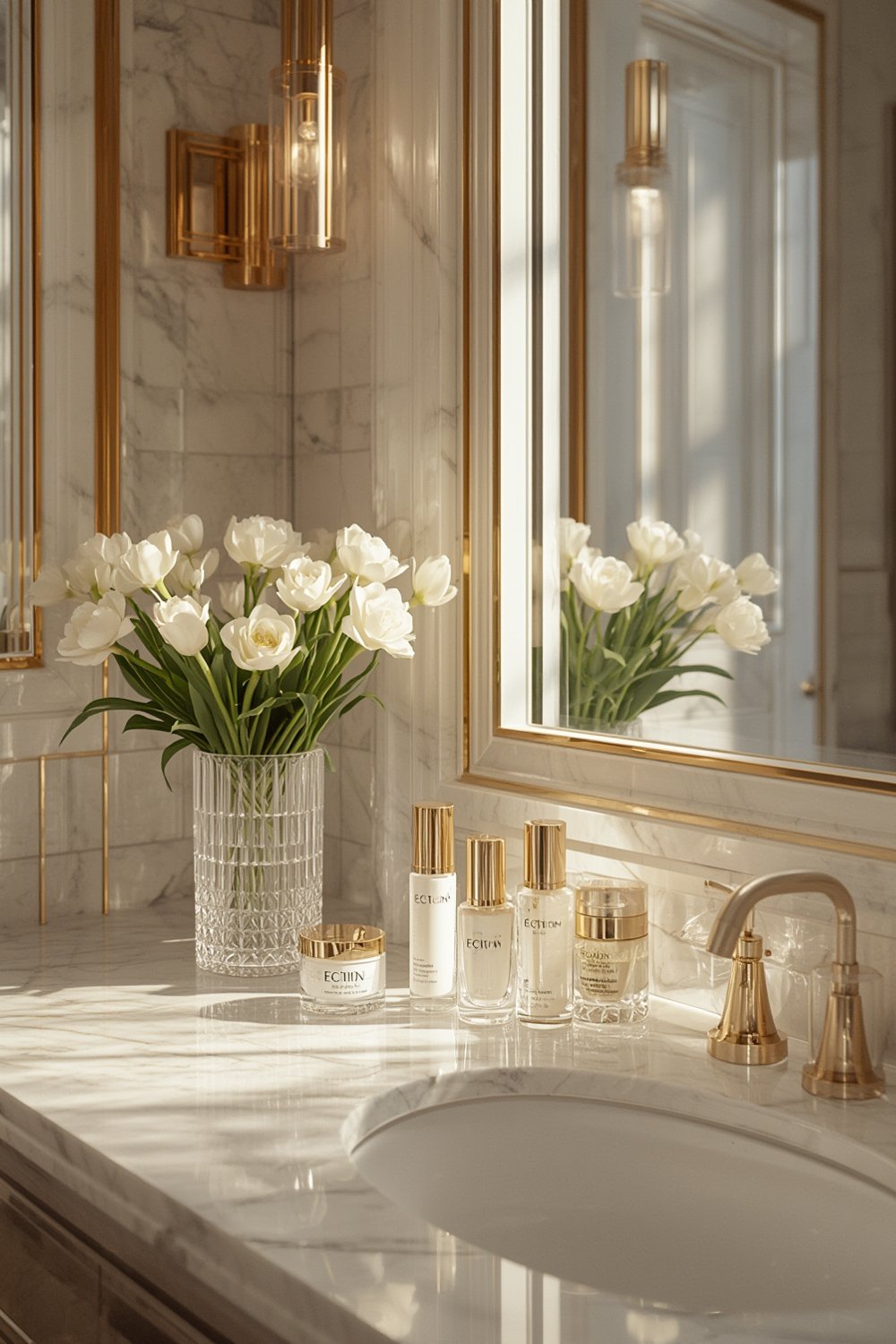
Step-by-Step Guide: How to Maximize Benefits of Ectoin Skincare Luxury
- Assess your skin’s needs honestly. Is your main issue acute dehydration, redness from over-exfoliation, or chronic flares like eczema or rosacea? Ectoin luxury serums target barrier defense and anti-pollution; classic ceramide creams may be better for deep dryness or post-procedure occlusion.
- Review the ingredient list carefully. For reactive or sensitive skin, prioritize minimalist, fragrance-free ectoin formulas with ceramides and no alcohol or strong acids. Products using 0.5–1% ectoin show quickest TEWL and redness improvements; higher (5–7%) is mostly medical/dermo, often paired with insurance or prescription routines.
- Layer wisely according to texture: If your ectoin serum feels light, always follow with a richer emollient or occlusive (think: squalane balm or classic ceramide cream) to lock in hydration—especially at night or in dry climates.
- Apply consistently—but start slow if sensitive. Patch test new luxury actives, especially if using after retinoids or acids. Initial “tingle” is possible on compromised skin, though serious reactions are rare (source).
- Monitor visible markers: Look for improvements in tightness, comfort, and environmental resilience (less flush, less burning after exposure). Luxury brands may claim anti-pollution benefits, but most users notice barrier comfort first.
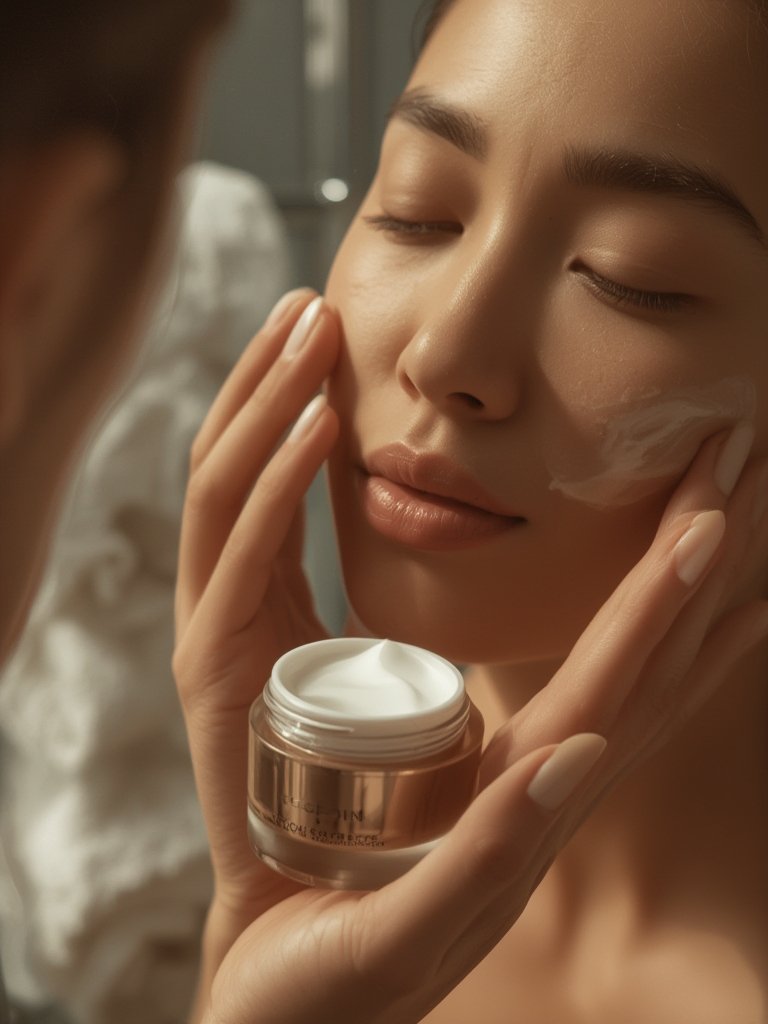
Advanced Analysis & Common Pitfalls: Ectoin vs. Ceramide for Barrier Repair
Real-world results show that while ectoin serum can deliver fast relief and molecular protection, there are five common problems (and misconceptions) luxury skincare buyers face:
- No head-to-head clinical trials vs ceramide creams: As of 2024, no randomized studies directly compare a 1% ectoin serum against a top ceramide moisturizer on water loss or dermatitis scores (source). Most performance claims are ingredient-centric, not formula-to-formula.
- Formulation matters more than ingredient hype: Highly perfumed or alcohol-containing luxury creams may trigger transient stinging, especially in rosacea or after intense exfoliation. Minimalism and barrier focus win for truly sensitive skin (source).
- Lack of strong occlusion: Many prestige ectoin serums are too light for deep barrier repair in winter or after clinical treatments. For “rescue” needs, layering with classic ceramide cream is still essential.
- Misaligned user expectations: Ectoin products can visibly soothe and protect, but do not replace prescription topical therapy for active eczema or severe rosacea. Their value is as supportive care, not cure (source).
- Lack of proof on anti-aging, rosacea, or pollution claims: Most luxury brand communications overstate clinical data beyond what’s proven for TEWL and comfort. Some claims rely only on ex vivo models, not human RCTs.
Let’s break down the data-driven differences between ectoin and ceramides with a head-to-head table.
| Aspect | Ectoin (2022–2024 Data) | Ceramides (General Literature) |
|---|---|---|
| Barrier Repair | TEWL reduction up to 72% (0.5-1% ectoin, supplier study); improved hydration, inflammation, barrier scores. Upregulates endogenous ceramide production. | TEWL improvement generally 10-40%, highly formulation-dependent. Strong structural support—especially with cholesterol and fatty acids. |
| Environmental Stress | Direct protection against UV, heat, and pollutants via “hydration shell;” antioxidant and anti-inflammatory actions documented (source). | Indirect defense—restores barrier, but no dedicated “molecular shield.” May need co-formulated antioxidants for pollution or ROS. |
| Inflammation | Significantly reduces IL-1α, IL-6, IL-8, TNF-α (30%-50%) in skin models. Soothes redness, pruritus in atopic dermatitis clinical trials. | Indirect, via barrier improvement. No direct cytokine modulation except with added actives like niacinamide. |
| Texture & Sensory | Light serums/gels—preferred by combination and oil-prone skin. May be too light for recovery after aesthetic treatments. | Rich creams or ointments—best for deep dryness, impaired barrier, post-laser/peel. |
| Price Point | Luxury/dermo-elite: $60–$250 (30–50 mL); often doesn’t disclose ectoin concentration. See ingredient architecture below. | Dermo: $20–$65; luxury blends (w/peptides, actives): $80–$200, typically for richer occlusive formulas. |
| Evidence Gaps | No large-scale RCTs vs ceramides; most dramatic TEWL/cytokine data from supplier studies; rosacea and anti-aging claims mainly theoretical. | Highly proven for barrier repair and eczema support; limited in targeted claims for pollution or in-depth anti-inflammatory data. |
For those focused on skin barrier longevity, consider pairing ectoin and ceramides—this is a major emerging theme across skin longevity products and premium dermocosmetic launches.
Interested in other rising clinical barrier actives? Check out the explosive growth of PDRN skincare for regeneration, or see how azelaic acid luxury compares for sensitive skin and rosacea.
Conclusion: Is Ectoin Skincare Luxury Right for You?
Ectoin is an advanced molecular protector with real benefits for barrier support and environmental stress defense, especially in luxury skincare. However, its role is best seen as complementary—not a full replacement for ceramide-based creams, occlusive balms, or prescription topicals for chronic dermatologic conditions. Consider your skin needs, budget, and the specific product formulation. When in doubt, combine the molecular shield of ectoin with time-tested ceramides for the best of both barrier repair worlds.
Curious about new-generation skin longevity ingredients? Explore how biotech is changing barrier repair on our biotech beauty ingredients guide, or see how advanced actives play in the broader luxury space in luxury body care rituals. For deeper barrier repair tips and high-end device strategies, our at-home medspa devices guide has actionable answers.
If you’re ready to elevate your skin barrier game, start by assessing your specific needs and layering strategies—then compare the latest ectoin skincare luxury launches side by side with your favorite ceramide classics.
FAQs
Is ectoin better than ceramides for barrier repair?
Current data show ectoin can rapidly decrease TEWL and soothe inflammation, but no direct clinical trials exist versus classic ceramide creams. Ectoin works best as a molecular shield, while ceramides rebuild the skin’s lipid matrix. Many users benefit from layering both.
What concentration of ectoin is best for visible results?
0.5–1% ectoin offers strong barrier and anti-inflammatory benefits in consumer formulations. Clinical creams for atopic dermatitis may use up to 5.5–7%, but these are typically medical or prescription-adjunct and can be harder to find in prestige ranges.
Can ectoin help with rosacea or redness?
Mechanistically, ectoin may help reduce environmental triggers, flushing, and redness. However, there are no formal clinical trials in rosacea—benefits are mainly supportive, not curative. Serious side effects are rare, but patch test if highly sensitive.
Why do some ectoin serums sting on sensitive skin?
This is usually due to formulation choices like alcohols or fragrance, not the ectoin itself. For ultra-sensitive or barrier-impaired skin, select ectoin products with minimalist ingredients and no added scents or alcohol.
Are luxury ectoin creams worth the price over pharmacy options?
Prestige products may include advanced packaging, textures, and multi-layered actives. However, if your priority is barrier repair and hydration, effective results can be found in both luxury and thoughtful pharmacy lines—check INCI lists and focus on minimalism for sensitivity.