

spicule skincare is rapidly gaining attention as the next evolution of at-home medspa treatment, promising benefits like improved absorption and rejuvenation—yet it’s not as simple or side effect-free as bold marketing suggests.
Key Takeaways
- Spicule skincare uses marine sponge micro-needles to create micro-channels in skin and boost delivery of active ingredients, but real-world studies show it’s best for short-term results when paired with proven actives.
- Common pitfalls include barrier disruption, intense prickling, and irritation—making proper technique and ingredient pairing essential for safety.
- Long-term safety in humans is still unproven; expert consensus is to use spicule serums intermittently, not daily.
- What is Spicule Skincare and Why Is It Trending?
- How to Use Spicule Skincare: Practical Guide
- Advanced Analysis & Common Pitfalls
- Conclusion
- Frequently Asked Questions
What is Spicule Skincare and Why Is It Trending?
Spicule skincare, sometimes called “liquid microneedling,” harnesses microscopic needle-shaped structures—spicules—extracted from marine sponges. These spicules create temporary micro-channels in the top layer of your skin, making it easier for anti-aging peptides, PDRN (salmon DNA), growth factors, or exosomes to penetrate better than regular serums. Luxury K-beauty brands position this method as a needle-free way to achieve results once exclusive to in-office microneedling, but in reality, the effects are more superficial.

The most reputable clinical study so far—a Korean human RCT—combined spicules with EGF to reduce fine lines around the eyes, showing greater wrinkle and skin density improvements than EGF cream alone [source]. However, most evidence relies on animal, ex vivo, or short-term human models. As for real-world user experience, many describe a prickly or glass-shard sensation, visible redness, and sensitivities—not a zero-downtime miracle.
In summary, spicule skincare isn’t a silver bullet for wrinkles or scars. Its value is in its ability to boost ingredients that would normally sit on skin’s surface, provided you pair it with proven actives and respect its limitations. If you want to dive deeper into regenerative K-beauty trends behind spicule, you might also be interested in exosome skincare or the rise of at-home medspa devices.
How to Use Spicule Skincare: Practical Guide
Ready to try spicule skincare? Here’s a no-fluff, step-by-step process based on clinical research and dermatologist recommendations:
- Start with a clean, dry face. Remove all makeup and sunscreen, then let skin completely dry. Moist skin can increase irritation.
- Apply your spicule serum or ampoule. Most high-end brands recommend 1-2 pumps (enough for an even layer). Gently massage with fingertips until fully absorbed. Expect a prickly, pins-&-needles sensation—that’s normal and means the spicules are embedding.
- Do not rinse off. Spicules are designed to stay in the superficial layer of your skin for several hours, slowly dissolving or sloughing off over the next 1–3 days as your skin exfoliates naturally.
- Wait to layer additional products. If your spicule product is a “pure” treatment, wait at least 15–30 minutes before applying a hydrating essence, light moisturizer, or peptide serum. Avoid strong acids or retinoids the same night.
- Protect and soothe. Consider barrier repair or skin longevity serums for mild comfort if you feel lingering dryness.
- Frequency matters. Most experts and brands recommend using spicule skincare 1–2 times a week, never daily, to avoid cumulative barrier irritation.
- Always use sunscreen during the day. The micro-injury increases sensitivity to sunlight for 1–2 days.
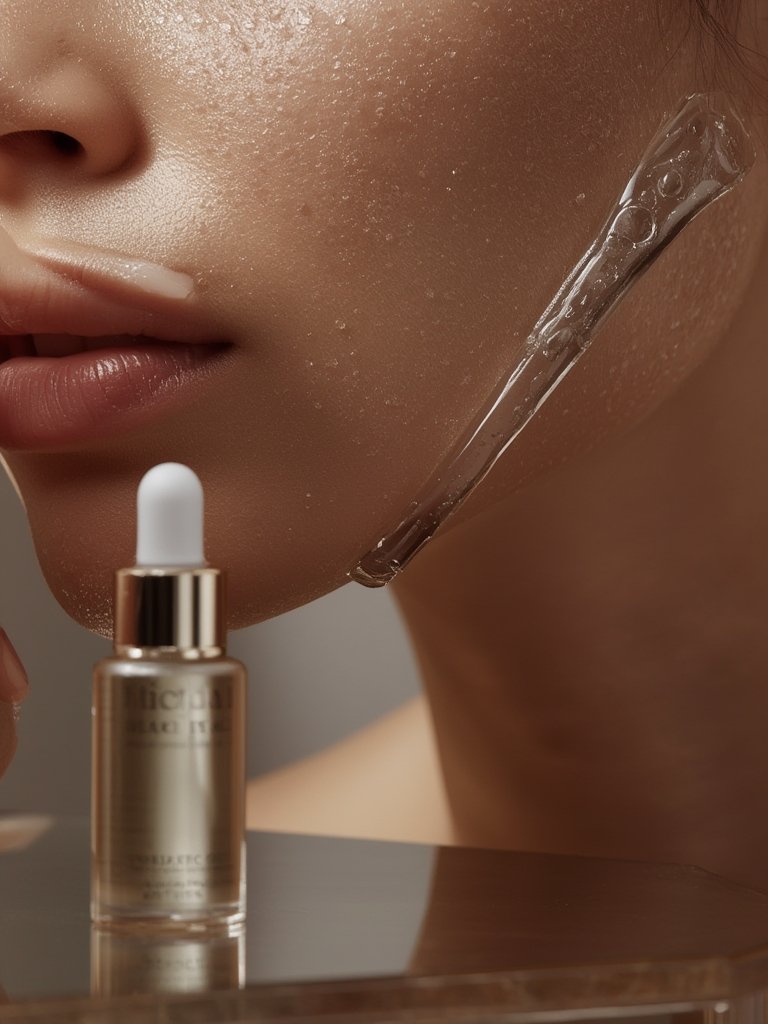
If you’re interested in advanced ingredient pairings alongside spicules, K-beauty serums often combine marine spicules with PDRN, growth factors, peptides, and soothing botanicals. For vegan or salmon-free options, check out this guide to vegan PDRN alternatives.
Advanced Analysis & Common Pitfalls
While the science behind spicule skincare is intriguing, the reality is full of nuance and possible missteps. Here’s what real users and clinical data reveal.
Common Pitfalls
- Intensity of sensation: Most users report a definite “needle” or prickly feeling for several hours after use, especially with higher concentration products. It’s not painless, but usually safe when used on healthy skin.
- Redness and irritation: Erythema (redness), visible flushing, and “sunburn” sensation are routine—especially for sensitive skin. This is expected, as spicules increase transepidermal water loss (TEWL) and temporarily weaken your skin barrier [source].
- Dryness, peeling, or sensitivity: Using spicules too often, or stacking with strong acids, can cause patches of flaking or make your skin overreact to other treatments. Serious barrier sensitivity may take days to resolve.
- Breakout risk: Some acne-prone users report flare-ups after using spicule serums—likely due to the barrier disruption or heavier cream bases.
- Long-term gaps: No proven long-term safety for frequent use. The smart approach is caution: start slow and space out treatments.
Pain & Downtime: Spicules vs. Home Microneedling
| Factor | Spicule Skincare | Home Microneedling |
|---|---|---|
| Sensation | Pins-and-needles, “sandpaper” feeling for hours; mild to moderate discomfort | Mild to moderate pain during rolling; short-lived soreness |
| Redness | Common; for up to 24 hours, sometimes 72 hours in sensitive types | Pinpoint redness; expected to fade in 24–48 hours |
| Downtime | Marketed as “no downtime,” but social downtime (redness, stinging) is possible | Avoid makeup/exercise for a day; slightly more visible “wound” look |
| Barrier Impact | Increases TEWL; transient barrier weakening | Similar effect, but dependent on needle depth |
| Best Use Case | Boosting active delivery with less risk than DIY-needling; surface rejuvenation | Deeper collagen and scar targeting at professional depths |
For many, spicule skincare is gentler than at-home microneedling but leagues below a dermatologist’s results. If you want needle-free exfoliation instead, micro-silica delivery serums may be a suitable entry point.
Pricing & Ingredient Patterns
Prestige K-beauty spicule serums typically cost $60–$150 for a 30–50 mL bottle. The most effective formulas aren’t about the spicules alone—they combine them with EGF, PDRN, advanced peptides, and exosomes for regeneration. Always check that your chosen product also includes barrier-supporting ingredients like glycerin, squalane, and centella asiatica. Avoid combining heavy acids or retinoids with spicules unless your skin is already well-tolerant.
Under-covered Issues
- Long-term safety: Daily use has not been proven safe—spicules may persist in your skin for days and chronic barrier trauma is not well studied. Experts stress spacing treatments by at least several days.
- Concentration “mystery”: Brands rarely disclose spicule concentration or count per mL. More isn’t always better—higher spicule loads mean higher risk of irritation.
- Marketing stretch: Claims of “96% scar reduction” or “dermal-level penetration” are usually based on internal brand tests, not independent trials [source].

Conclusion
Spicule skincare promises real actives delivery, gentle resurfacing, and a taste of medspa-tech at home. However, it’s not side effect-free, and long-term daily use is not supported by robust evidence. Its best use is as a boost for proven anti-aging actives—like spicule serums, EGF, or peptide treatments—when used intermittently and with barrier care in mind. If you’re going to try spicule skincare, start slow, track your results, and don’t expect instant miracles. For personalized routines and deeper analysis of ingredient synergy, explore our guides on skin longevity and biotech beauty ingredients. Ready to upgrade your anti-aging strategy with smart, science-backed actives? Start with best practices, not just trends.
Frequently Asked Questions
Is spicule skincare safe for sensitive skin?
If you have very reactive, eczema-prone, or compromised skin, spicule serums are not recommended. They can increase irritation and worsen barrier sensitivity for several days. Patch test and consult your dermatologist first.
How often should I use spicule skincare?
Most experts and brands suggest 1–2 times per week. Using it more often increases the risk of dryness, peeling, or even breakouts due to prolonged barrier disruption.
Can I use retinoids or acids with spicule serums?
Do not combine strong chemical exfoliants, AHAs, BHAs, or retinoids with spicule serums in the same routine. Wait at least 24–48 hours between these treatments to minimize irritation.
Is spicule skincare a replacement for microneedling?
No. While both stimulate cell turnover, spicule skincare works at the very surface and cannot match the collagen remodeling effects of professional microneedling. It’s best used for enhanced serum delivery or very mild surface rejuvenation.
What ingredients pair best with spicule serums?
The most effective spicule serums include EGF, peptides, niacinamide, PDRN, or exosomes. Look for soothing ingredients like glycerin, squalane, or centella to mitigate irritation. Avoid formulas heavy on alcohol or pure acids.