

### Blog Post:
Biotech beauty ingredients are rapidly reshaping skincare formulas in 2024, promising higher purity, more sustainable production, and next‑level actives. But are they actually safer, more effective, and truly “clean,” or do they come with their own issues? Here’s what every smart consumer and industry insider should know to avoid hype and make informed moves.
Key Takeaways
- Biotech beauty ingredients are growing faster than traditional ingredients, with global value set to double by 2032—yet they remain a minority share in 2024.
- Transparency, purity, and regulatory clarity are critical; consumer skepticism around safety, “naturalness,” and greenwashing is common.
- Long‑term success depends on robust cost analysis, clear labeling, and proven clinical data—not just sustainability claims.
- What Are Biotech Beauty Ingredients—and Why Do They Matter?
- How to Evaluate and Use Biotech Beauty Ingredients: A Practical Guide
- Advanced Analysis & Common Pitfalls
- Conclusion
- FAQ
What Are Biotech Beauty Ingredients—and Why Do They Matter?
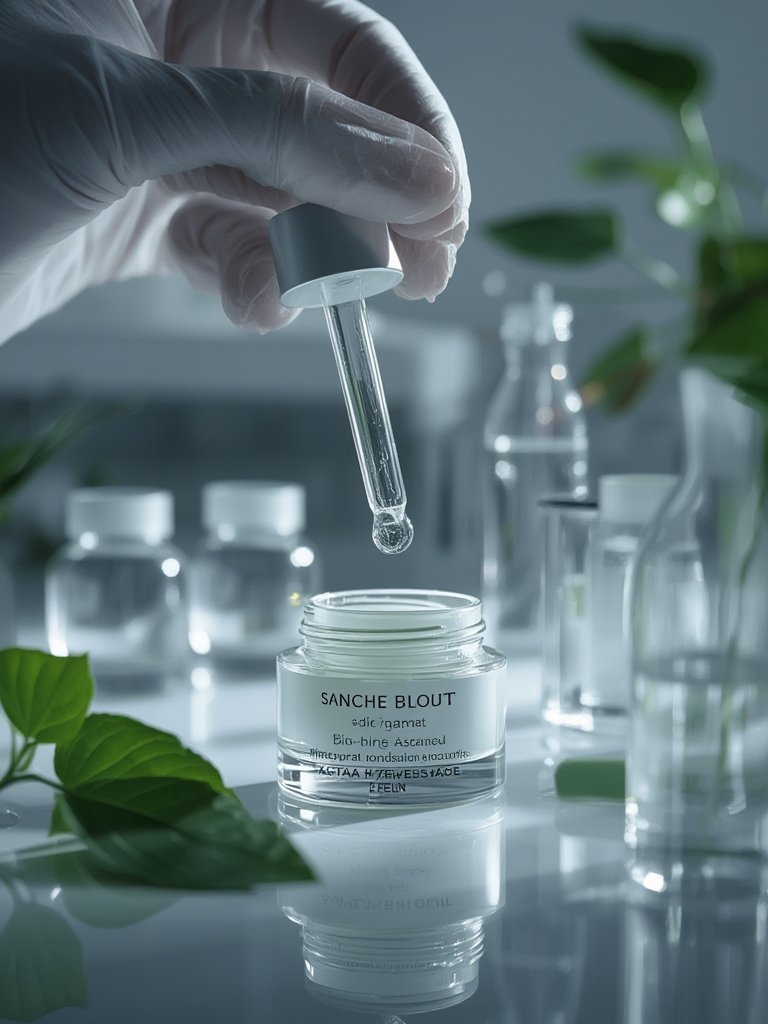
Biotech beauty ingredients are skincare, hair, and fragrance actives made using biotechnology—mostly precision fermentation or synthetic biology. Instead of harvesting plants or animals, scientists program yeast or bacteria to produce specific molecules in controlled tanks. The result: “nature‑identical” actives (like fermented hyaluronic acid) and new ingredients (like postbiotic ferments) with high purity, fewer crop-based risks, and often a lower footprint.

Why now? Between 2023 and 2030, the global biotech ingredients market is projected to outpace traditional cosmetic ingredients (7.8% CAGR), as majors like L’Oréal invest in fermentation alternatives and as climate risks threaten plant extract supply. Biotech isn’t “the future”—it’s happening now in everything from vegan collagen and fermented niacinamide to next-gen PDRN serums (see popular biotech actives).
However, users worry about lab-grown labels, allergen risks, costs, “greenwashed” sustainability, and whether these ingredients truly outperform what’s already available—a new set of questions demanding clarity and evidence.
How to Evaluate and Use Biotech Beauty Ingredients: A Practical Guide
Here’s how brand developers, ingredient buyers, beauty professionals—and skeptical consumers—can cut through marketing and assess actual value from biotech beauty ingredients.
-
Understand the “Why” & Ingredient Role
- Define your objective: Is it reducing resource use, increasing purity, or targeting consistent clinical results? For example, plant exosome serums use biotech to optimize growth factor profiles for barrier repair.
- Check whether you need standard actives (niacinamide, hyaluronic acid) or newer biotech-only molecules (vegan collagen, postbiotic lysates).
-
Assess Cost and Unit Economics
- Get a real quote: Bulk biotech actives are typically more expensive per kilogram for common emollients but may be cheaper for rare phytoactives or fragrances at scale (source).
- Ask for price stability: Fermented ingredients offer less farm and climate volatility, lowering risk of seasonal shortages or huge price swings.
-
Request Purity and Potency Metrics
- Top biotech actives often have 95–99% purity; ask suppliers how this compares to plant extracts, which may have only 2–10% active content (source).
- Demand batch-to-batch specs—not marketing claims. Look for certificate of analysis (CoA) data, not just brochure numbers.
-
Review Clinical and LCA (Environmental) Data
- For efficacy, seek human study results—not just in vitro tests. Example: fermented hyaluronic acid is supported by real-world barrier and hydration outcomes (see primer here).
- Don’t take green claims at face value; check for Life Cycle Assessment (LCA) summaries. Be aware: full, third-party verified data is rare and often not public.
-
Vet Regulatory and Labeling Clarity
- INCI labels often don’t reflect biotech origin. For natural/organic/vegan claims, double-check how standards apply to fermentation-produced actives. This is crucial for consumers sensitive to “clean beauty” narratives, especially for ingredients like vegan PDRN.
- If you’re marketing: only use substantiated claims—avoid greenwashing and ensure terms like “fermented” meet regulatory frameworks by region.
-
Test for Allergenicity and Consumer Sensitivities
- Request human skin irritation/sensitization results. Biotech actives may reduce pollen and allergen risk but can introduce new protein exposures in rare cases.
- If unsure, trial patch-test any product before full use—especially crucial for anyone with a history of sensitivities.
Advanced Analysis & Common Pitfalls
Despite major growth, biotech beauty comes with real risks and misconceptions. Here are the most common problems—and how to spot or solve them.
| Pitfall | What Happens | How to Avoid |
|---|---|---|
| Assuming “fermentation” always means safer or cleaner | Production issues, unwanted byproducts, and impurities are possible without strong QC. Not all “lab-grown” equals non-irritating. | Insist on third-party safety data, not just marketing. Look for HRIPT and allergen reports. |
| Relying solely on sustainability buzzwords | Some biotech processes are energy-intensive—especially with fossil-fuel power. “Eco” claims can be misleading. | Request carbon, water, and LCA numbers when available. Scrutinize green marketing claims. |
| Lack of regulatory and labeling clarity | Consumers may get confused (or angry) if “natural,” “vegan,” or “organic” labels don’t match ingredient production realities. | Clarify biotech origins on brand websites or Q&A; ensure claims follow standards like ISO 16128 and avoid vague or misleading terminology. |
| Unknown long‑term effects and too few clinical trials | Some new actives lack robust, published human data; perceived as unsafe or experimental by savvy users. | Check for publication of human efficacy and irritation studies, not just in vitro or supplier-funded claims. |
| Ignoring final formula cost/profit impact | Biotech actives can be premium-priced; overuse can hurt product margins or lead to unnecessary markups for consumers. | Calculate true cost impact—ingredient cost is a fraction of the final retail price; watch out for marketing inflation. |
- Regulations are also tricky. What’s “natural” or “vegan” in the US isn’t always the same in the EU or Asia. If you’re importing, double-check local standards to avoid label rejections and costly recalls.
- Ingredient names rarely show the actual production process. This opens gaps for ambiguity—but also for consumers to ask for more detail and professionals to educate more transparently. For ingredient spotting, luxury K‑beauty synergies (such as in longevity skincare or multi balm sticks) are setting better labeling precedents.
- Many “eco” claims are unverified or inconsistent. Demand explicit LCAs or at least comparisons to conventional crops, as is becoming common in scalp wellness and next-gen serum launches.
Conclusion
Biotech beauty ingredients are transforming what goes into our skincare, but smart adoption is about proof—not just storytelling. Ask for documented purity, batch consistency, clinical results, and regulatory clarity—not just “fermentation” or “eco” buzzwords. The more you understand the science and real-world impact, the more confidently you can embrace the actual benefits of biotech beauty ingredients and make buying or formulating decisions that last.
Ready to explore innovative, science-backed actives for your routine or product line? Dive deeper into regenerative actives or see this breakdown of science-forward ingredient hacks.
FAQ
Are biotech beauty ingredients actually safer than plant extracts?
They can be, due to higher purity and fewer contaminants, but not always. Safety depends on process, purification, and full clinical testing. Some biotech ingredients have fewer allergens, but others introduce new proteins that may cause sensitivity in rare cases.
Is “fermented” the same as “natural” or “organic”?
No. While some certification standards allow fermented actives to count as “natural,” it depends on the exact process and feedstock. In the EU, only certain fermentation routes qualify as “derived natural” via ISO 16128, and “organic” status is even stricter.
How do costs of biotech actives compare to traditional extracts?
For commodity ingredients like plant oils, plant sources are usually cheaper. For rare actives or unstable phytoactives, biotech can be less expensive at scale and has more stable pricing. The actual effect on finished product cost is often small, but margins matter more for premium brands.
Do biotech beauty ingredients really reduce environmental impact?
In most cases, fermentation uses less land, water, and pesticides, and can cut carbon footprint if run on clean energy. However, energy use can be high, and not all “bio-based” claims are equally sustainable—ask for sources and LCA data if you want certainty.
Can you spot biotech beauty ingredients by name on a label?
Rarely. Ingredient names (INCI) are mostly the same for plant and biotech actives. You need to check brand resources, supplier info, or contact support for confirmation—few labels state “fermented” or “biotech” in the ingredient list directly.
—