

### Blog Post:
Azelaic acid luxury serums are set apart by next-generation multi-benefit claims, advanced ingredient blends, and clinical validation, offering sought-after results for pigmentation, wrinkles, and redness while promising a sensory upgrade over drugstore options.
Key Takeaways
- Luxury azelaic acid serums deliver measurable improvement for hyperpigmentation, redness, and aging with sensitive-skin friendly formulas.
- Innovative blends with niacinamide, bakuchiol, and vitamin C add clinical anti-aging and brightening advantages.
- Downsides include unclear price/value, rare proprietary tech, and a lack of comprehensive real-world complaint data.
The Core Concept: What Sets Azelaic Acid Luxury Serums Apart?
Azelaic acid, once primarily known for its use in prescription rosacea treatments, has become a centerpiece of luxury skincare. What truly distinguishes azelaic acid luxury serums is a strategic combination of science-backed results, skin-calming formulas, and sophisticated supporting actives like niacinamide, bakuchiol, and antioxidant complexes. These serums are crafted for sensitive skin that wants visible change without irritation—a balancing act not all actives achieve.
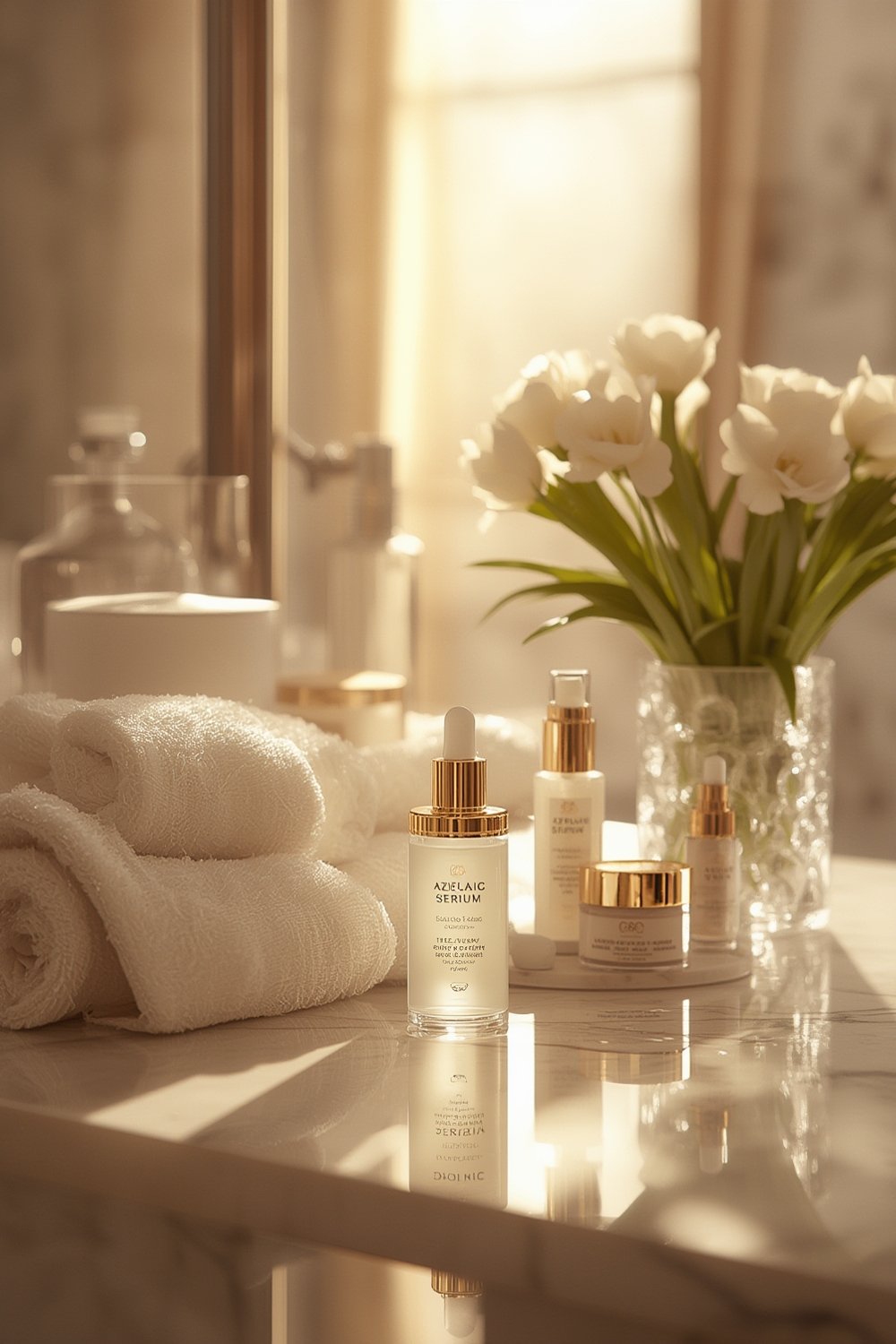
Unlike basic formulas, luxury options integrate multi-corrective benefits: wrinkle smoothing, brightening, and redness control, all underpinned by clinical testing. For example, azelaic acid inhibits tyrosinase to target hyperpigmentation, while niacinamide blocks melanin transfer, and bakuchiol promotes skin renewal—a true all-in-one solution. Recent proprietary upgrades, such as encasing resveratrol antioxidants in CelluCapTM technology, reinforce barrier strength and oxidative defense (source).
The luxury positioning means texture, fragrance (or its absence), and absorption are refined for daily medspa-quality results—often inspired by trends in Korean regenerative skincare and longevity-focused beauty rituals.
Step-by-Step Guide: How to Use and Maximize Azelaic Acid Luxury Serums
Upgrading to an azelaic acid luxury serum for multi-benefit results requires a specific strategy. Here’s a practical routine for visible improvement, especially if you have sensitive, redness-prone, or unevenly pigmented skin.
- Cleanse gently. Opt for sulfate-free formulas so as not to compromise the barrier if your serum contains enhanced actives (azelaic, ascorbyl glucoside, bakuchiol).
- Apply to dry skin. Dispense 1-2 pumps, smoothing over areas with pigmentation, redness, or fine lines. Do not combine with other exfoliating acids in the same routine.
- Allow to absorb fully. Wait 1-2 minutes so ingredients like niacinamide and bakuchiol can penetrate before proceeding.
- Seal with a barrier-friendly moisturizer. Look for ceramides or bio-stimulators if your regimen focuses on skin longevity. See advanced options in this guide to skin longevity products.
- Daytime use requires SPF 30+. Azelaic acid increases cell turnover, which may sensitize the skin to UV. Use a fragrance-free sunscreen suitable for sensitive skin, like those in menopause skincare lines (barrier repair menopause).
- Frequency matters. Use once daily for 2 weeks, then increase to twice daily if no irritation occurs. Expect initial improvements in redness/wrinkles in 4 weeks, full pigment improvement in 12-16 weeks (source).
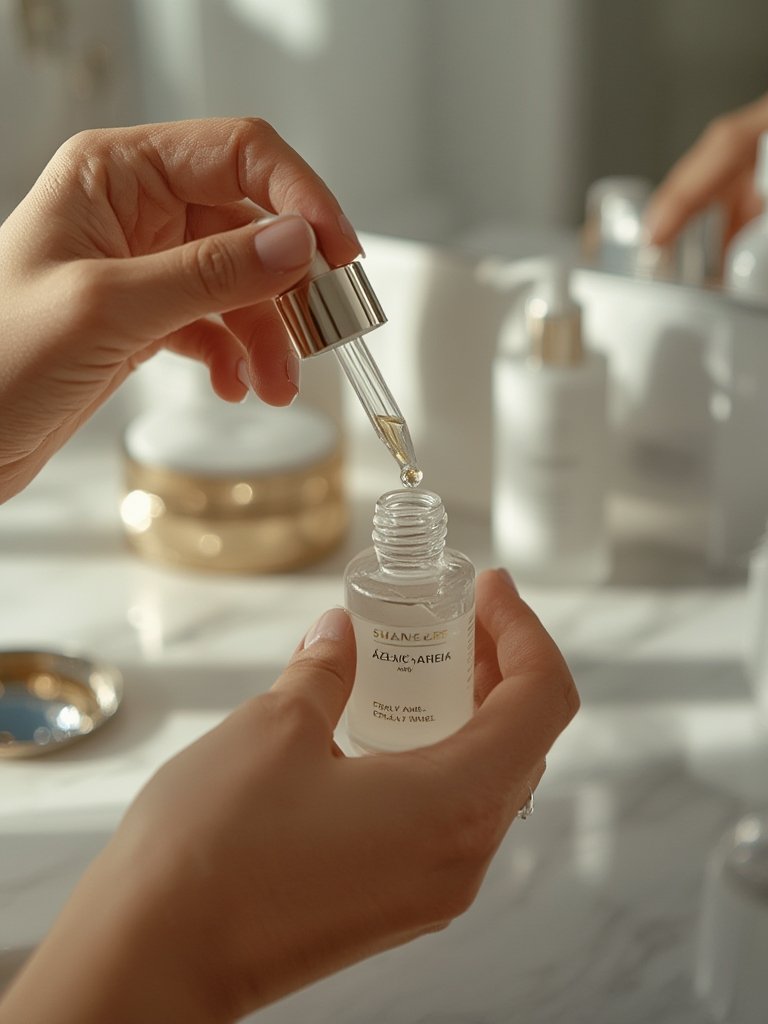
Pairing with gentle technologies like red light therapy (LED, red light therapy) maximizes results by boosting barrier repair and collagen synthesis without introducing more irritation.
For advanced users, alternate azelaic acid luxury serums with treatments like polydeoxyribonucleotide (PDRN) serums for stacked clinical effect over months.
Advanced Analysis & Common Pitfalls
Despite strong clinical backing, there are gaps and challenges in the real-world use of luxury azelaic acid serums.
- No published average cost range: Consumer frustration arises from lack of transparent pricing between luxury and standard options. Price can vary dramatically based on supporting actives, technology, and branding—with little clarity on value for money.
- Limited user complaint and irritation data: While these serums are marketed for sensitive skin and low reactivity, publicly available data on allergic responses, stinging, or dissatisfaction is lacking. This makes it hard for new users to fairly weigh downside risks.
- Patent/technology status is often unclear: Proprietary ingredients like CelluCapTM Resveratrol and Bidens Pilosa (retinoid alternative) are highlighted in a few luxury formulas (source), but broader transparency about what genuinely sets expensive options apart is missing.
- Results in diverse skin types: Competitor coverage rarely addresses performance on darker skin tones or allergies (e.g., fragrance, preservatives).
- User ratings vs. acid blends: Multi-acid blends with e.g. tranexamic, glycolic, or lactic acids may outperform azelaic acid alone for some users, but large-scale comparative ratings are scarce (source).
For clarity, here’s a quick comparison of specialty actives in luxury azelaic acid serums available in 2026:
| Feature | Luxury Azelaic Acid Serum | Standard Azelaic Acid Cream | Multi-Acid Blend Serum |
|---|---|---|---|
| Clinical % wrinkle reduction | Up to 80% in 12 weeks | 36–55% typical | 70–90%, varies by blend |
| Brightening speed (hyperpigmentation) | 4–6 weeks initial, 12–16 weeks significant | 8–16 weeks | 2–6 weeks, possible irritation |
| Barrier strengthening | 90% of users saw improvement | 55–65% | Depends on actives, lower with strong acids |
| Sensitive skin suitability | High, minimal stinging | Moderate | Low–moderate, depends on formulation |
| Price/value transparency | Low/frequently unclear | High | Varies |
| Fragrance/allergen info | Rarely detailed | Sometimes listed | Sporadic |
To get the most clinical yet gentle results, ensure your chosen serum highlights supporting actives for DNA-level skin regeneration or long-term barrier repair. If you notice persistent stinging or redness, pause use and consider gentler alternatives like plant-based PDRN or barrier-focused longevity products (vegan DNA repair options).
Conclusion
Clinical data proves azelaic acid luxury serums deliver multiple benefits for pigmentation, wrinkles, redness, and barrier strength. However, pricing and ingredient transparency remain inconsistent, and there is limited data on irritation or user complaint trends. If you want the most sensitive-skin-friendly results, look for advanced blends with gentle co-actives and ask for full ingredient disclosure before investing.
To get started, choose a product that combines clinical azelaic acid strength with modern medspa actives—then follow a tailored regime for at least 12 weeks. For further guidance on mix-and-match barrier repair and longevity routines, explore our curated guides on skin longevity and next-generation regeneration serums. Ready to elevate your skin with azelaic acid luxury? Start your transformation and share your experience.
FAQ
Who should use azelaic acid luxury serums?
These serums are ideal for adults experiencing pigmentation, fine lines, redness, or sensitive skin who want visible, clinically supported results with lower risk of irritation compared to harsher exfoliants.
How quickly can I expect results from a luxury azelaic acid serum?
Redness and inflammation often improve in as few as 4 days. Pigmentation typically takes 4–6 weeks for initial change, with significant evenness and wrinkle reduction visible after 12–16 weeks of twice-daily use.
Can I layer azelaic acid luxury serums with other actives?
Yes, but avoid layering with strong exfoliants such as AHA/BHA in the same routine. You can alternate night use with gentler options like exosome or PDRN serums to maximize rejuvenation without causing irritation.
Are these serums suitable for all skin tones?
Yes, azelaic acid suits all skin shades, with clinical trials showing even pigmentation improvement on deeper tones. However, always check for additional ingredients that may cause specific allergic reactions.
What supporting ingredients make azelaic acid luxury serums more effective?
Actives like niacinamide, bakuchiol, ascorbyl glucoside, resveratrol, and Bidens Pilosa work alongside azelaic acid to target multiple skin concerns and enhance results—look for these on the ingredient label.
—