

### Blog Post:
Vegan PDRN alternative is quickly rising as one of the most searched topics in regenerative skincare, promising DNA-level repair using plant or biotech sources instead of animal origins. But how well do these plant exosome serums and phyto-derived complexes actually perform, and what are the downsides compared to salmon-derived PDRN? Here is what you need to know before you buy, switch routines, or recommend a vegan PDRN option.
Key Takeaways
- Vegan PDRN alternatives show early promise in skin regeneration, but lack published human studies matching the proven clinical effects of salmon-derived PDRN.
- Ingredient transparency, molecular equivalence, and real results remain key challenges in choosing and evaluating vegan PDRN products.
- There are no hard regulatory differences for “plant-based regenerative” versus “cruelty-free regenerative” skincare as of 2024, though only plant-derived formulas qualify as vegan-certified.
- What is a Vegan PDRN Alternative and Why Does it Matter?
- How to Upgrade Your Routine: Step-by-Step Guide to Vegan PDRN Alternatives
- Advanced Analysis & Common Pitfalls of Vegan PDRN Alternatives
- Conclusion
- FAQ
What is a Vegan PDRN Alternative and Why Does it Matter?
Vegan PDRN alternatives use nucleotides or exosome extracts from plants or biofermentation (like ginseng, Lactobacillus, wheat, or rose) to mimic the skin-regenerative effects of traditional PDRN—which is almost always derived from salmon sperm DNA. But where salmon PDRN has proven results in boosting wound healing and collagen production, most vegan options base their claims on preclinical studies: lab-based, not real humans.
Plant-based options appeal to those avoiding animal products, seeking sustainability or vegan certification, or wary of animal DNA on their skin. The claim: They activate the same repair pathways (A2A adenosine receptor), offer antioxidant benefits, and may absorb better due to smaller molecule sizes—potentially modernizing the DNA-repair approach found in classic Korean regenerative skincare.
Still, direct clinical comparison is limited and transparency on actual ingredient sources or molecule size is inconsistent, so it’s not as simple as “plant = proven.” Demand is strong, as search interest for PDRN skincare has surged by over 1,400% since 2024, driving consumers toward next-generation, at-home medspa products.

How to Upgrade Your Routine: Step-by-Step Guide to Vegan PDRN Alternatives
- Clarify Your Goals and Preferences: Decide if you are seeking collagen support, wound recovery, or barrier repair, and whether avoiding animal or fish DNA is non-negotiable for your values.
- Understand Ingredient Labelling: Real vegan PDRN alternatives will list sources like “ginseng root extract,” “hydrolyzed plant DNA,” or “L-PDRN from biofermentation”—not polydeoxyribonucleotide or salmon DNA. Check for clear plant origin and certification if vegan status is your concern.
- Vet Scientific Claims: Look for brands that provide detailed sourcing, molecular size of nucleotides, and peer-reviewed mechanistic data. As of 2024, this mainly means referencing preclinical (lab or tissue model) tests as described here.
- Patch-Test and Introduce Slowly: New molecular actives, even from plants, can trigger reactions. Start with a small area or alternate-day use for two weeks. This mirrors best practice in adopting polydeoxyribonucleotide serums as well.
- Track Results for 6-12 Weeks: Monitor skin barrier, fine lines, or wound healing with photos or a journal. Few topical products yield overnight change—expect visible differences (if any) after one to two cycles of cell turnover.
- Combine Thoughtfully, Don’t Overlayer: While plant exosome serums or L-PDRN ampoules can pair with hydration or peptides, don’t stack multiple DNA- or growth factor-type products at once—overlap increases sensitivity risk.
- Audit for Transparency: Prioritize brands that disclose DNA source, extraction method, and fragment size. Vague “phyto PDRN complex” or “bioengineered nucleotide blend” claims should spark questions.
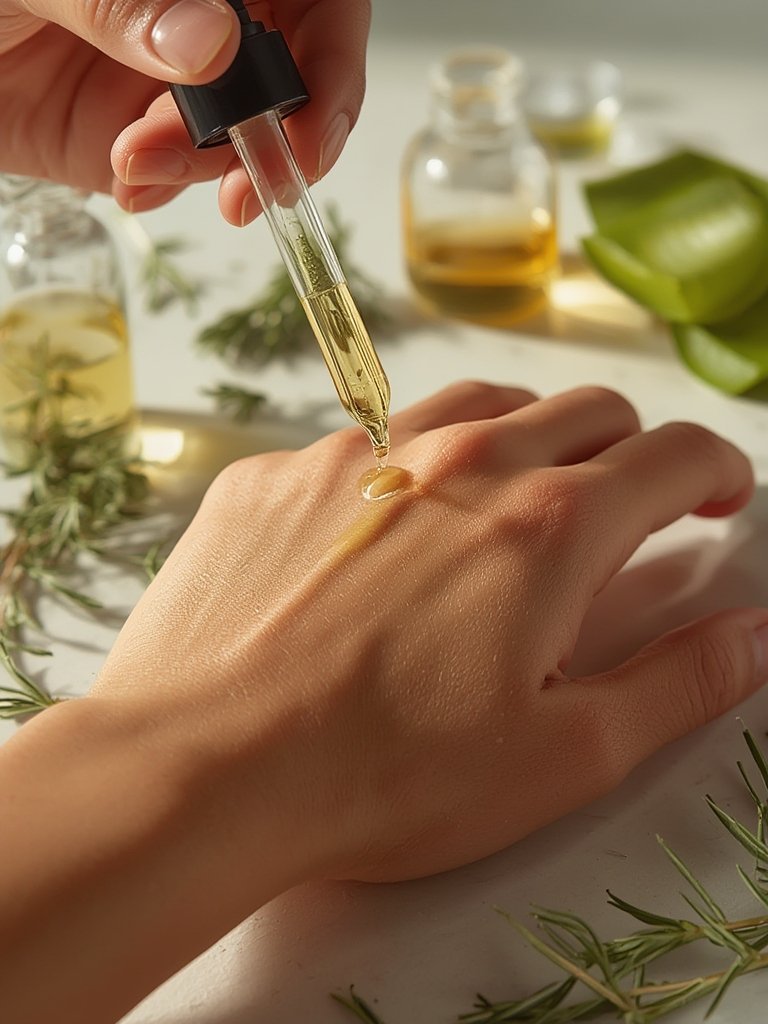
For a broader look at how exosome serums support regeneration with or without PDRN, see this plant exosome serum guide—these formulas sometimes overlap in ingredient approach and can be part of a longevity-centric routine.
If you’re focusing on scalp wellness or microneedling, similar principles apply. K-beauty brands experimenting with infused PDRN, peptides, and barrier support are now including vegan options as “scalp longevity treatments”—learn more in the latest scalp wellness treatment guide.
Advanced Analysis & Common Pitfalls of Vegan PDRN Alternatives
Vegan PDRN alternatives promise a lot but come with significant gaps:
- Lack of Direct Human Data. While salmon PDRN can quote clinical trials showing 37% complete healing rates in wounds, nearly all vegan alternatives—especially topical plant ones—rely on preclinical data. Their efficacy in humans, especially for cosmetic improvement, is not established [source].
- Ingredient Sourcing Gaps. Many brands advertise “phyto PDRN” but offer little detail on whether it’s extracted from rice, corn, tomato, or ginseng. Molecular size (sub-100bp vs. 200-800bp for salmon) may affect absorption, but brands rarely disclose actual analysis. Some even blur lines on whether exosomes or plant stem cell extracts are being marketed as “PDRN alternatives.”
- Transparency is the major gap according to leading dermatology sources.
- No Clear Safety or Regulatory Edge. As of 2024, neither the FDA nor EU enforces stricter rules for plant-based regenerative claims. “Cruelty-free” or “vegan” is a certification matter (ingredient origin, not efficacy), and salmon-derived PDRN products like Rejuran have even achieved CE-MDR (European medical device) status. Safety, dosing, and long-term effects for plant alternatives are simply not robustly established at this time.
- Cost & Value Comparison is Elusive. There is no rigorous per-ounce or per-use cost analysis for vegan DNA repair serums versus salmon or biotech-derived PDRN, making it impossible to state which option is more economical or effective over time.
Here’s how vegan and animal-derived PDRN alternatives compare for key claims:
| Factor | Salmon-Derived PDRN | Vegan PDRN Alternative |
|---|---|---|
| Clinical Evidence | Multiple human studies, injection & medical device approved (Rejuran). Topical data limited. | Preclinical (in vitro & 3D skin models). No published human studies as of July 2025. |
| Sourcing Transparency | Clear (salmon milt DNA, Korea, Italy, etc.) | Often vague: plant type, fermentation microbe, or vague “phyto” label with unclear purity/matching |
| Fragment Size / Absorption | 200–800 base pairs (larger, less skin penetration topically) | <100 base pairs common; claimed to improve absorption, but no head-to-head proof |
| Safety / Regulation | CE-MDR approved (injections). Regulation varies by region for topical. | Vegan/lab certification only; not regulated as regenerative by FDA/EU. |
| Most Common Pitfalls | Supply sustainability, animal-exclusion concern, rarely used in leave-on cosmetics. | Overstated claims, lack of data, unclear sourcing, results often overpromised. |
For a deeper look at actionable PDRN use in Korean routines—whether you’re using animal or vegan variants—this step-by-step guide to PDRN skincare offers targeted application protocols and honest expectations. Plant-based alternatives are now also expanding into skin longevity regimens and even at-home medspa devices, but efficacy still comes down to ingredient evidence.

Conclusion
Vegan PDRN alternatives are a promising and rapidly growing corner of the regenerative skincare world, offering new sources of DNA-repair without animal derivatives, but they are hampered by insufficient clinical proof, ingredient transparency issues, and unvalidated claims. Until robust human trials and sourcing standards are in place, it’s smart to approach these formulas with curiosity—and caution.
If you’re seeking proven performance over label-friendly trends, always demand clear sourcing and realistic outcome data for any vegan PDRN alternative. Explore more about PDRN serums (animal or plant-based). Want the latest evidence-driven options and trusted brands? Start with the guides above, prioritize transparency, and trial products with your skin’s unique needs in mind.
FAQ
Are vegan PDRN alternatives as effective as salmon-derived PDRN?
No. While plant-based or biofermented alternatives can activate similar cell repair pathways in lab tests, no topical vegan PDRN has matched the clinical healing rates or human data of injected salmon PDRN as of 2024. Real-world efficacy is unproven—be cautious of bold topical claims. See more here.
What ingredients should I look for in a true vegan PDRN serum?
Transparent labeling is key. Look for sources such as “hydrolyzed ginseng root DNA,” “L-PDRN (from Lactobacillus),” or “plant exosome extract”—not just “polydeoxyribonucleotide” which usually means fish-derived. Brands should disclose both the plant origin and their verification or certification if possible.
Are there safety or allergy concerns with plant-derived PDRN?
Any new topical active, especially engineered DNA materials, can trigger irritation or allergy. There is no clear safety data for all plant sources used (ginseng, rice, wheat, roses, tomatoes, or yeast). Always patch-test and avoid over-layering multiple regenerative actives.
Can vegan PDRN alternatives be used with at-home medspa devices?
Sometimes—if the product is properly formulated for penetration post-microneedling or with LED therapy. Always follow manufacturer instructions and avoid unproven combinations, since DNA-based actives may increase absorption and risk, especially with barrier injury.
Is there a price difference between vegan DNA repair serums and classic PDRN?
Comprehensive per-ounce or per-use cost data is not available as of 2024. Some vegan and biotech options position as premium priced due to the complexity of bioengineering or sourcing, but sticker price does not guarantee performance.
—